
Blog
Insights on ad intelligence, market trends, and going-global strategies

FC Mobile Ad Strategy: Hooks, Events, and Creative Reuse
A US sample for August 12–September 10, 2026 reveals FC Mobile event messaging, national-team imagery, and video reuse, with eight visual breakdowns and practical creative test briefs.

Last War Ad Strategy 2026: One Blockbuster Video and Ten Distinct Bets
Last War's US Top 10 contains ten distinct videos, but one 56-second creative contributes 67% of the visible estimated impressions. This teardown explains the concentrated-winner portfolio, its 36–57-second duration band, and the fresh short-form tests observed in August.

Whiteout Survival Ad Strategy 2026: Two Evergreen Playables and a Video Factory
Whiteout Survival's US Top 10 combines two billion-impression playables with one 85-second video reused across seven ad entries. This teardown explains the two-speed system and the fresh video batch that appeared on August 14.
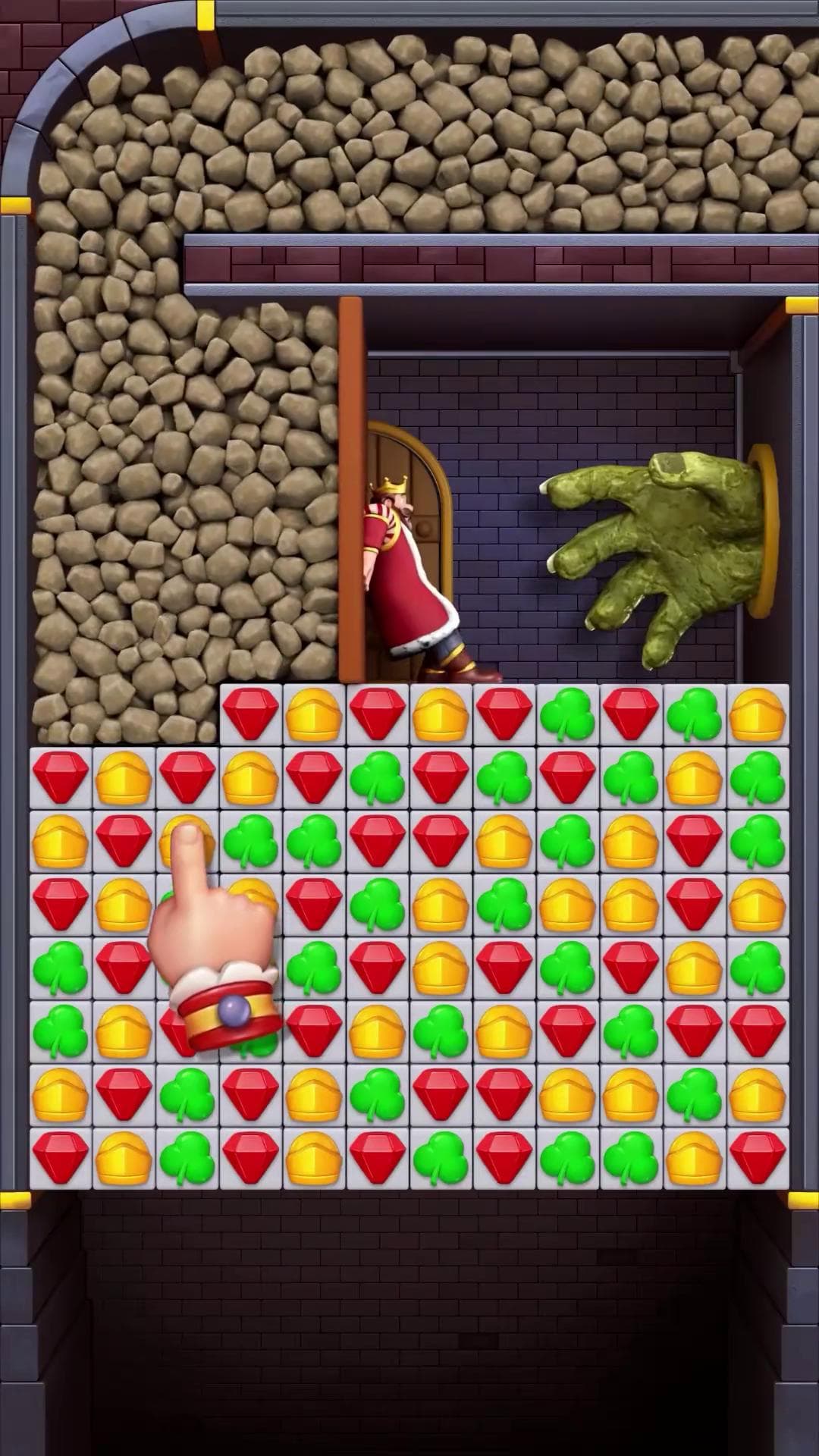
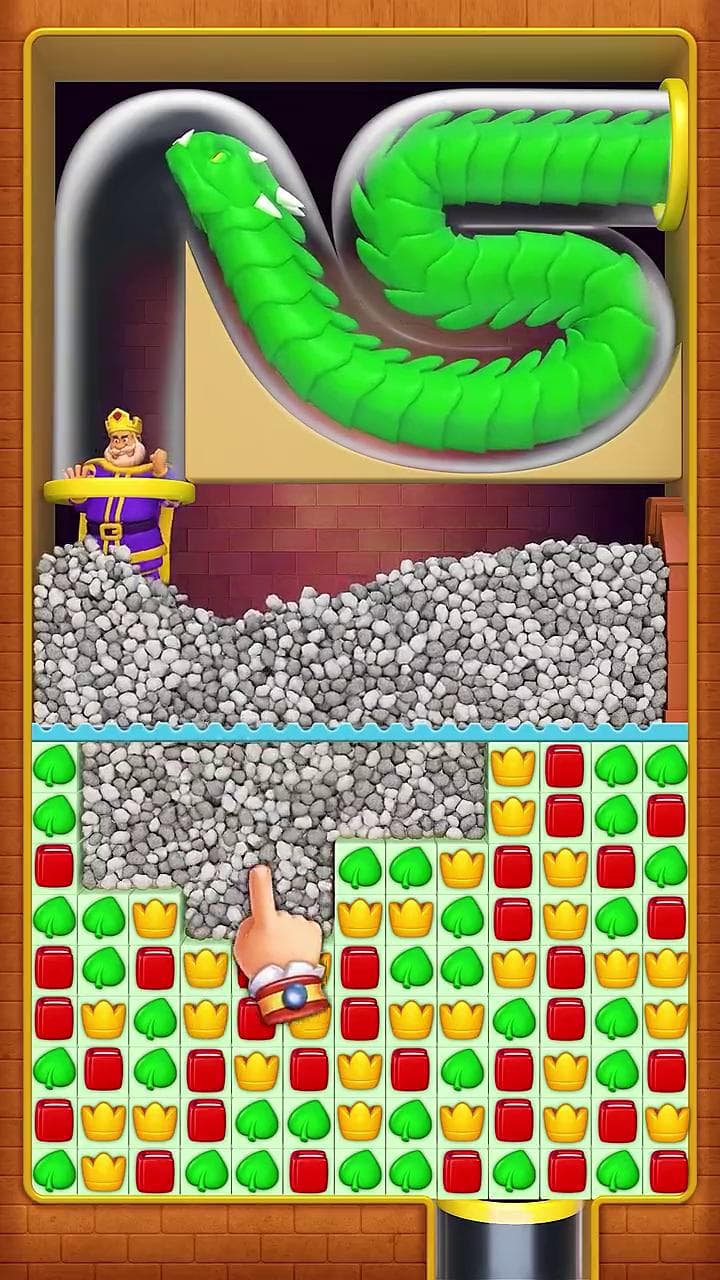
Royal Kingdom Ad Strategy 2026: One Long Video, Three Playable End Cards
Royal Kingdom's US Top 10 pairs long-form video with playable end cards. One 117-second video fingerprint appears with three playable variants and carries 61.9% of the visible Top-10 scale.
82-0.com Ad Strategy 2026: The Smallest Measurable Ad Fleet on the US Top 120, Eight Videos, and a Perfect 5×5 Copy Matrix
Vaulty Studios' 82-0.com sits at US download rank 117 with 704,287 downloads and +5.48% growth — the only riser in this batch — on a measured lifetime impression total of 12,216,712. Its top 15 US creatives carry 1,011,728 impressions across 375 placements in the 30 days to 2026-08-19. Behind 552 recorded creatives sit exactly eight source videos and a fully-filled 5×5 headline-by-body copy matrix. Not one playable exists anywhere in the fleet.
Arrows – Puzzle Escape Ad Strategy 2026: Downloads Fell 34.65% and One 214-Day Playable Is Carrying the Account
A creative-level teardown of Lessmore GmbH's US user acquisition for Arrows – Puzzle Escape during a 34.65% download decline. Fifteen measurable creatives account for 295,780,992 impressions in a rolling 30-day window, all fifteen were still live on 2026-08-19, and production has been stopped for 64 days. One playable first seen 2026-01-17 carries 49.5% of current delivery on its own, and a 345-day asset still out-delivers most of the fleet.
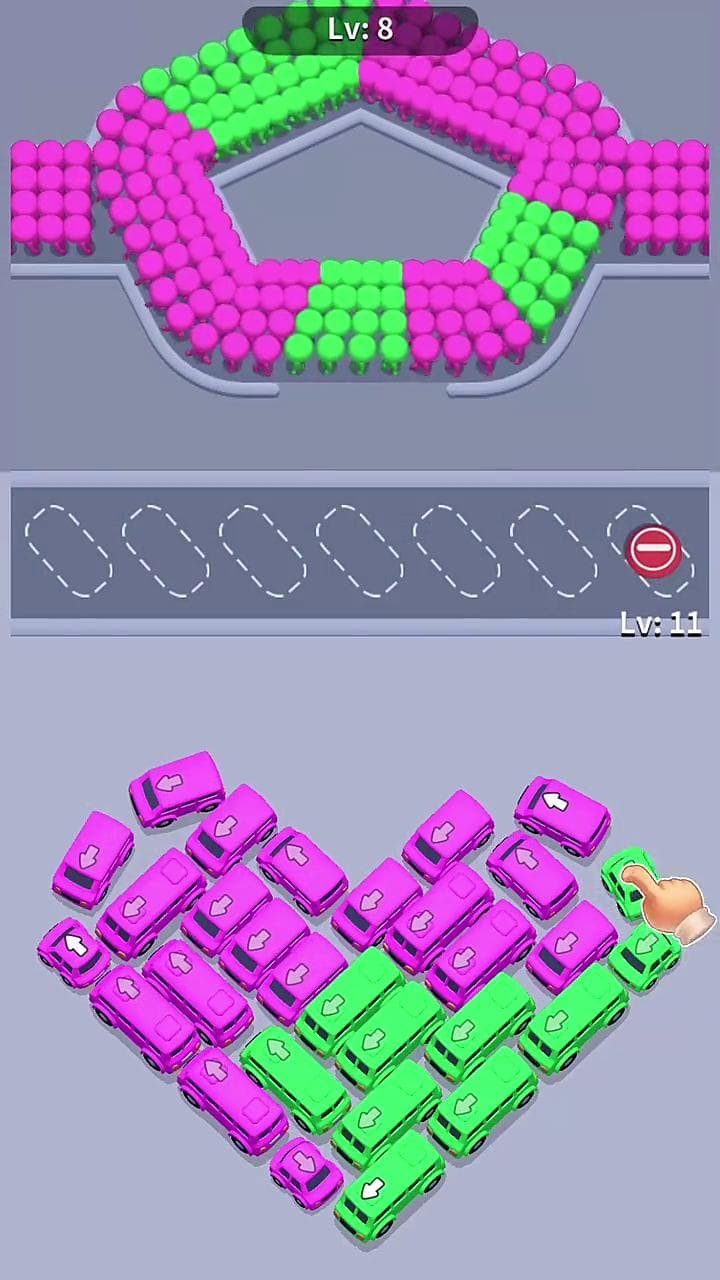
Playable Ads vs Video Ads: How to Choose and Test
Choose a format for the same game promise, inspect a reproducible AdMapix sample, and compare activation, retention, and production costs with a matched test brief.
Jewel Coloring Ad Strategy 2026: One 54-Second Video, Four End Cards, and a Fleet Built in 57 Days
A creative-level teardown of Ta Ta Game Technology's US user acquisition for Jewel Coloring. Fifteen ad entries account for 615,015,856 impressions — but they resolve to only twelve distinct assets: seven video masters and five playable masters, recombined. One 54-second video runs under four different end cards and carries 28.1% of the fleet on its own. Every video master was made inside a 17-day window, and none has been made since.
Solitaire Associations Journey Ad Strategy 2026: Everything Delivers at 100 Impressions per Placement — Playables, Videos, iOS and Android Alike
Hitapps Games' US fleet for Solitaire Associations Journey runs 132,950,973 impressions across fifteen creatives in the 30 days to 2026-08-19, and 44 of 45 sampled creatives were still live on that date. The remarkable thing is the uniformity: pure playables deliver at 95.0 impressions per placement, videos at 99.9, iOS at 96.7, Android at 97.6. Format, platform and a 230-day age spread move the number by less than 6%. Downloads are down 17.41% anyway.
Block Craft 3D Ad Strategy 2026: 168 Videos, 96 Playables, 850 Combinations — and the Biggest Ad in the Name-Space Belongs to Somebody Else
A teardown of Wildlife Studios' Block Craft 3D: Building Games in the US. 850 measured ad instances carry 117 million impressions from only 168 distinct videos and 96 distinct playables — one video is paired with 67 different playable end cards. Meanwhile a different publisher with a near-identical app name runs the single largest creative in the category, 1.8x bigger than Wildlife's best.
MONOPOLY GO! Prediction Check: The Successor Fleet Arrived on Schedule — and the June 18 Cohort Refuses to Die
On August 7 we published a falsifiable prediction about MONOPOLY GO!'s creative rotation: the June 18 cohort would reset by early September, with a successor batch surfacing first. Checked against live AdMapix data, half landed early — three successor waves, then a 100-file August flood with new 59-94s durations — and half is breaking the model: the June 18 creatives are past the 60-67 day ceiling that killed every previous generation, and still running.
Mobile Game Ad Creative Lifespan Benchmarks 2026: Nine Fleets Compared
How long should a mobile game ad run? Nine AdMapix fleet teardowns show that creative lifespan ranges from weeks to more than a year—and that intensity, portfolio role, format cost, and product maturity matter more than a universal day benchmark.