
Black Friday Ads: Build a Competitor Offer Tracker Before Launch
Build a competitor offer tracker from a dated US Black Friday search sample, using eight visual examples to preserve offer conditions, resolve conflicting claims, track versions, and prepare original tests.
Black Friday Ads: Build a Competitor Offer Tracker Before Launch
Black Friday ads are useful research inputs when you preserve the offer, its conditions, its source, and the date you observed it. A screenshot alone cannot tell an ecommerce team whether a discount applies to the pictured product, whether a promotion is current, or whether a competitor changed its terms. Those distinctions matter before launch, when creative production and merchandising decisions can still be adjusted.
This guide builds a competitor offer tracker from a frozen US search sample collected on September 20, 2026. Its examples include sale copy attached to sports footage, a local store promotion, conflicting discount messages, and product images without visible prices. The outcome is a practical record of what needs verification, what deserves continued monitoring, and what can inform an original test. The sample does not establish which offers will run during the coming Black Friday period.
Prepared by AdMapix Research — prepared with Codex and checked against the dated source sample. Editorial ownership: Brad at AdMapix; this does not imply personal human review. AdMapix is our product.
Last updated: 2026-09-20.
Quick Answer
A competitor offer tracker should preserve dated observations of advertising claims, product identity, eligibility, visual evidence, and unresolved questions. Keep the original wording alongside any normalized fields, and add new observations instead of overwriting earlier ones.
The frozen US search for “Black Friday,” covering 2026-08-22 to 2026-09-20, returned 30 advertising records containing 6 distinct video fingerprints and 16 distinct image fingerprints. These are separate counting units. The examples show why an offer cannot safely be reduced to the largest percentage visible in an ad.
Use the tracker to prioritize verification and write test briefs. Use your own commercial and campaign data to decide prices, budgets, and performance.
What the Tracker Should Help You Decide
A useful Black Friday offer tracker helps you decide which competitor claims need checking, which changes affect your launch preparation, and which creative ideas are suitable for your own tests. Its value comes from connecting evidence to a decision. Collecting more screenshots without preserving their context makes those decisions harder, because an impressive headline can become detached from its product, eligibility rules, or observation date.
For an ecommerce growth team, the immediate questions are practical. Does the advertised saving require a first purchase? Is the promotion about a particular item or a marketplace event? Does a gift require a minimum basket? Does the ad identify a store location? Are the headline and video presenting the same offer? Each answer changes how comparable the promotion is to your own.
A tracker also gives different teams a shared starting point. Merchandising can investigate product scope. Creative can examine where the condition appears. A paid media manager can define the experiment that would test a communication hypothesis. Customer support can identify wording likely to produce questions. None of those jobs requires treating a competitor's advertising claim as a verified commercial fact.
The wider competitor ads research guide covers discovery and analysis across advertising contexts. This article focuses on preserving offer versions before launch: what was said, where it appeared, what was missing, and what your team decided to do about it.
Define the decision before choosing your columns. If the question is whether to emphasize eligibility earlier, capture eligibility placement. If the question is whether a gift offer is comparable, capture the gift, threshold, and qualifying products. A column that never influences a decision usually becomes an empty field or an unreliable guess.
Keep a separate place for creative inspiration. A product close-up can be useful production reference even when it provides no usable discount benchmark. Preserving that distinction lets the team retain good ideas without contaminating the commercial comparison.
Methodology: A Dated US Search, Not a Holiday Forecast
This article analyzes a bounded AdMapix search sample and the supplied images; it does not reconstruct a complete Black Friday campaign calendar. The exact measurement window is 2026-08-22 to 2026-09-20, with US selected as the country and “Black Friday” as the query. The source package records collection at 2026-09-20T16:05:22.595258+00:00. The requests covered three pages of ten records and requested descending order by model-estimated impressions.
The collection contains 30 advertising records. Fourteen records contain video references, which resolve to six distinct video fingerprints after flattening the fingerprint arrays. The sample also contains sixteen distinct image fingerprints. It contains no recorded playable references and no distinct playable fingerprints. These counts describe the captured records, not the complete advertising activity of any business or marketplace.
The supplied page sequence is not a strictly descending numerical ranking across every row. We therefore describe it as a bounded sample collected with an impression-descending request, rather than presenting a definitive league table of the highest-impression Black Friday ads. That distinction matters when deciding whether a later appearance in the list signals lower importance: the archive does not support that shortcut.
All impression values in the source are third-party model estimates for the specified window. They are not observed delivery, expenditure, installs, revenue, profit, or lifetime totals. Product-search aggregates are excluded. This article does not divide impressions by advertising age, calculate daily intensity, or use repetition as proof of performance.
Visual analysis is limited to the attached evidence. Samples 1–4 show contact-sheet frames at 0, 2, 5, and 10 seconds. Sample 6 shows frames at 0, 2, and 5 seconds. Samples 5, 7, and 8 are static images. We did not watch complete videos, inspect checkout flows, test products, or run external research tools for this article.
The records report linked app listings, including TikTok, Messenger, AliExpress, and AES El Salvador. Those associations are preserved as reported. They do not independently identify the advertiser, seller, payer, or owner of every pictured product. Where the visual subject and linked listing differ, the tracker records an unresolved relationship.
The source supplies a numeric network identifier without a verified readable mapping. A TikTok watermark or a Messenger listing does not resolve that mapping. Accordingly, the examples are described by their reported listing and visible content, without claiming platform-specific delivery coverage.
The frozen public source package contains the archived batches, request parameters, and checksums. Those make analysis of the archived sample reproducible. A later live search can return different records or estimates. Historical seasonal interest supplied with the research brief is background context only; it does not establish the coming season's launch dates, offer depth, or demand.
Evidence Table: What the Sample Actually Contains
The sample supports a concrete account of record structure and visible messaging, while leaving commercial validity and campaign performance unresolved. The table below establishes the counting units before any offer analysis. A record can reference an asset already present elsewhere, and a product image can accompany seasonal copy without displaying a discount itself. Treating either relationship as a unique, verified offer would distort the tracker from the start.
| Evidence item | Frozen observation | Appropriate interpretation |
|---|---|---|
| Search scope | “Black Friday”; US; 2026-08-22 to 2026-09-20 | A dated keyword search |
| Retrieved records | 30 | Advertising records, not unique campaigns |
| Records containing video | 14 | Multiple records can share a video |
| Distinct video fingerprints | 6 | Separate video-file identities in this sample |
| Distinct image fingerprints | 16 | Separate image-file identities in this sample |
| Distinct playable fingerprints | 0 | No playable files recorded in this sample |
| Supplied visual examples | Eight numbered images | Selected screenshots and contact sheets |
| Landing-page and checkout evidence | Not supplied | Offer validity and eligibility remain unverified |
| Campaign outcomes | Not supplied | No conclusion about conversion or profitability |
The difference between records and media becomes operationally important when an analyst writes “new creative” in a weekly update. A newly encountered record might contain an already known video with different copy. That is still potentially useful information, but it belongs in a copy-version history rather than a count of newly produced videos.
Likewise, the absence of a playable in this collection says nothing about whether another advertiser, query, country, or time window uses playables. Keep the scope next to the finding wherever it travels, including presentation slides and internal summaries.
Build the Tracker Around Observations, Assets, and Decisions
Build the tracker with separate records for dated observations, underlying media, and research decisions so that updating one does not erase the others. An observation describes what a particular source showed at a particular capture. An asset identifies the image or video being referenced. A decision records what your team will verify, monitor, or test. These can live in linked spreadsheet tabs or a shared database; the structure matters more than the software.
The observation table should preserve source wording. Save the headline and body independently, because they may disagree. Save visible overlay text separately, including the frame where it appears. If a source excerpt is truncated, preserve that fact instead of completing the sentence from context. The sculpting-kit example later in this article shows why an unfinished condition can be commercially significant.
The asset table should hold media identity and visual notes. When several records reference the same video fingerprint, link them to the same asset entry. Keep the record associations so that deduplication does not discard copy variants. A changed headline and an unchanged video can coexist without creating a contradiction in the data model.
The decision table should name the question and the next action. “Interesting promotion” is too vague. “Verify whether the first-order condition applies to the pictured clothing” gives the next person a task they can complete. Include an accountable team role, such as merchandising or creative operations, without implying that assignment itself verifies the evidence.
| Field group | Suggested fields | Why it belongs |
|---|---|---|
| Observation | Capture date, query, country, measurement window, source record ID | Reconstructs the research context |
| Identity | Reported listing, app/product ID, visible brand, seller status | Keeps association separate from ownership |
| Media | Asset identity, image/video type, observed timestamps | Prevents duplicated assets and invented sequences |
| Claim | Original headline, body, overlay, advertised amount | Preserves the evidence before interpretation |
| Conditions | Eligibility, product scope, location, threshold, expiry | Makes offers meaningfully comparable |
| Verification | Evidence location, missing information, conflicting wording | Shows why a field is trusted or unresolved |
| Version | Prior observation, changed field, change classification | Preserves history |
| Decision | Question, owner, next action, due point, resolution | Converts research into work |
Use explicit states for missing information. “Not visible in the supplied image,” “not provided in the record,” and “not yet checked” communicate different situations. An empty cell communicates none of them. Avoid replacing these states with zero, because a zero discount is a commercial claim rather than a statement about missing evidence.
Create a compact current view from the observation history. That view can show the latest known claim and its unresolved questions, but the underlying dated entries should remain available. Otherwise, a later correction can make it impossible to understand why an earlier production brief used different wording.
Sample 1: Sports Footage Attached to a Seasonal Shopping Claim
Sample 1 shows why the advertising body and the visible video must be captured as separate evidence. The record's body advertises Black Friday savings of “up to 70% off” and invites the reader to download TikTok and shop. The supplied frames show an American football route demonstration. They do not visibly connect the discount to a product or shopping condition. The tracker should preserve both observations without inventing the missing connection.
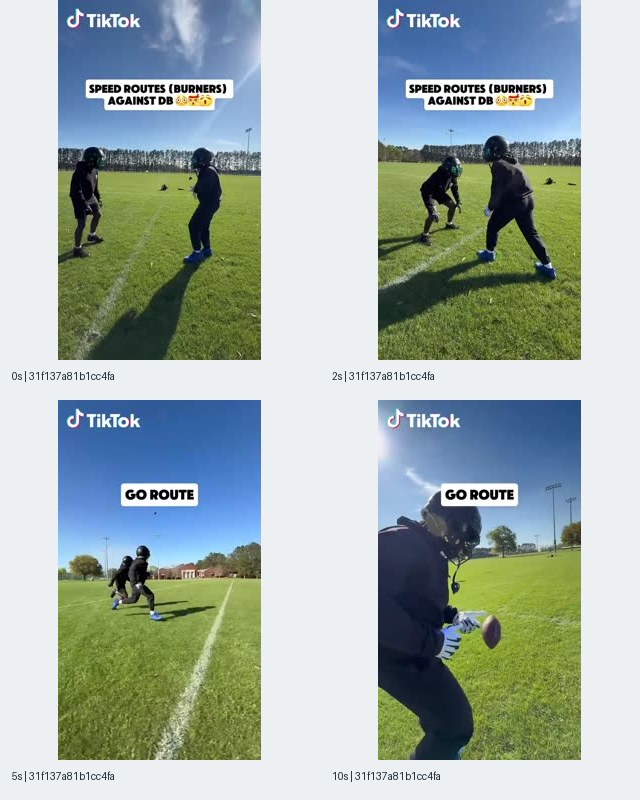
Image 1. Contact sheet for record 31f137a81b1cc4fa6f5198716eccd1c1, reported listing TikTok, app ID com.zhiliaoapp.musically. Only the displayed timestamps were observed. The seasonal discount comes from the record's body copy.
At the earlier timestamps, two helmeted participants face each other on a field beneath text about speed routes. Later sampled frames include “GO ROUTE” and a close view of a participant holding a football. These observations support a description of the visible subject. They do not identify a football product offer, a shopping destination, or the rest of the video's sequence.
A useful tracker entry would record the body claim as a qualified percentage reduction, preserve “up to,” and leave product eligibility unresolved. The visual note would say that the supplied frames show sports instruction. The question for follow-up would be whether a complete authorized source and its destination explain how the shopping claim relates to the creative.
Do not tag the pictured equipment as discounted merchandise. It is present in the scene, but presence is not an offer relationship. Similarly, the TikTok logo and linked app ID do not establish where the advertisement was served or who paid for it.
A testable hypothesis for your own creative team is that an entertaining opening may need a clearer bridge into the offer. To investigate that idea, create original footage and compare a version with an explicit shopping transition against a version with the same valid offer presented later. This is a proposed experiment, not a finding about the sampled record.
The record is useful even before that experiment exists: it gives the tracker a concrete “copy-to-visual connection unresolved” state. That state is more informative than rejecting the example as irrelevant or labeling the entire video an offer demonstration.
Sample 2: A Local Store Deal Needs Location and Day Fields
Sample 2 demonstrates why local promotions need separate fields for the day, store location, and eligible merchandise. The advertising body says “SATURDAY = $8 DAY!” and identifies a Richmond address. The contact sheet shows store bins, boxed products, a presenter, and address text. This supports recording an advertised local promotion, but it does not establish that the offer was available at every location or remained valid after the dated observation.
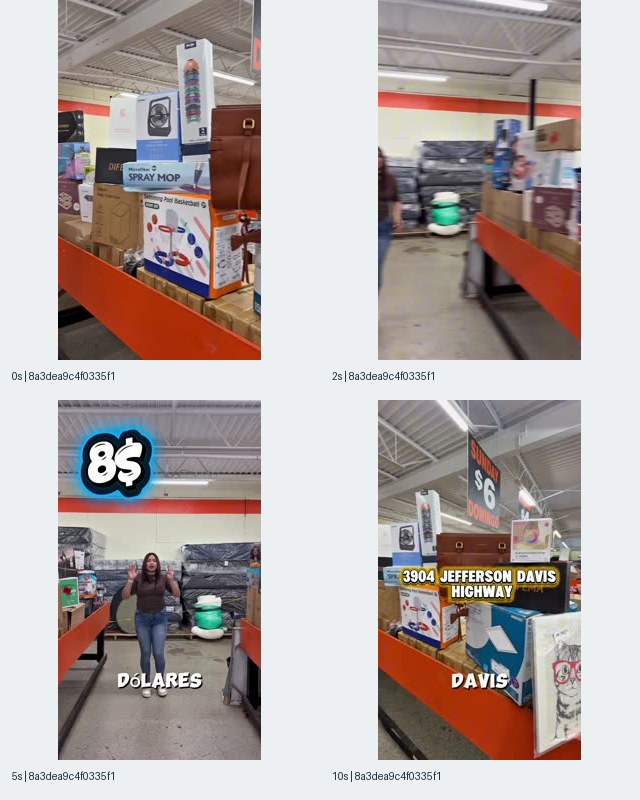
Image 2. Contact sheet for record 8a3dea9c4f0335f173c5db25c9f13ed9, titled “Black Friday daily deals Richmond.” The reported linked listing is Messenger, app ID com.facebook.orca. Frames are shown at 0, 2, 5, and 10 seconds; advertiser ownership is not established by that listing.
The visible store environment provides context that the dollar amount alone would lose. Products sit in large bins, and the later frame shows an address overlay reading “3904 JEFFERSON DAVIS HIGHWAY.” The record's body uses “3904 Richmond Hwy, Richmond, VA 23234.” Preserve both strings. A future address check might resolve their relationship, but the frozen evidence does not authorize silently rewriting one into the other.
The scene also contains signage advertising a different dollar amount for another day. That is a reason to retain the day condition, not a reason to conclude that the ad contradicts itself. Store signage can describe a schedule while the body promotes one part of that schedule. The tracker should distinguish background signage from the principal offer being advertised.
“Black Friday” appears in the reported business title. This means the query can surface a store name as well as a seasonal event. A useful inclusion label is “local daily deal; seasonal relationship unverified.” Without that label, a research summary might incorrectly describe the record as evidence that a major holiday campaign had launched.
For an online retailer, the transferable lesson is conditional communication. A local promotion can make day and place prominent because they determine whether the customer can use it. An ecommerce equivalent might require the eligible region or customer status to appear near the benefit.
The next action for this record would be to verify the relevant store, date, and bin exclusions before including it in any price comparison. Keep the observed Spanish wording as a creative-language note. It does not establish the advertiser's audience settings or prove a particular geographic targeting strategy.
Sample 3: A Second Event Message Does Not Confirm an Offer Sequence
Sample 3 contains football match footage and a Spanish FIFA World Cup 2026 message, while the record's body describes a Black Friday “Peak Sale” with up to 70% off. The supplied evidence therefore contains separate event messages at the copy and visual levels. It does not show that one campaign replaced another, that the footage was newly produced, or that a particular sequence of seasonal promotions occurred.
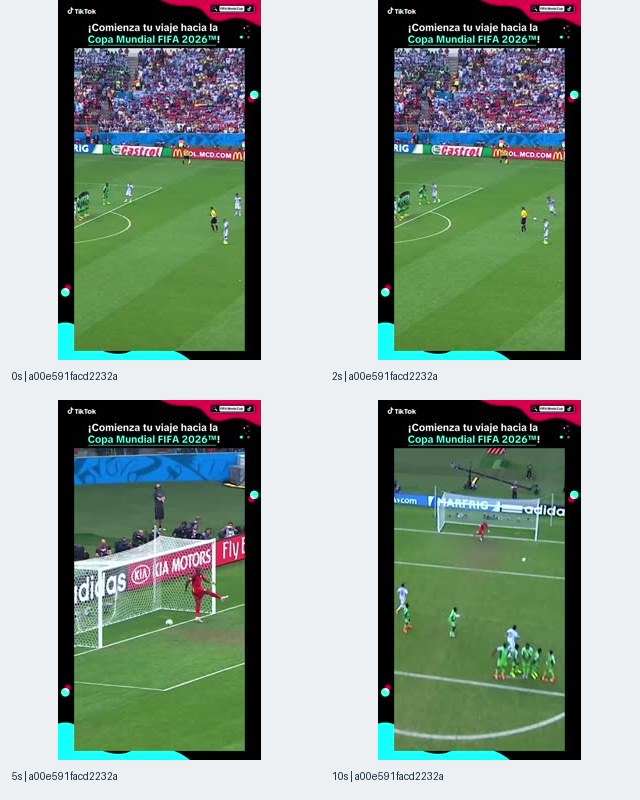
Image 3. Contact sheet for record a00e591facd2232a23f474ead9a3488a, reported listing TikTok, app ID com.zhiliaoapp.musically. The visible evidence is limited to 0, 2, 5, and 10 seconds.
The top banner says “¡Comienza tu viaje hacia la Copa Mundial FIFA 2026™!” The sampled frames show match action, including a free-kick setup and views near the goal. The visible banner is an event message, but it does not validate the discount described in the record's body.
This example calls for an event-label field with a source attached. Record “Black Friday” as appearing in the body, and the World Cup message as appearing in the sampled visual. Do not collapse them into a single event classification merely because they are attached to the same record.
There is also a timing lesson. The source's first-observed date and a filename's apparent date are not interchangeable with a production date or campaign launch date. Different systems can record different events. If the goal is to determine whether a seasonal message changed, compare archived observations of the relevant claim rather than interpreting a date embedded in a media address.
The next research question is narrow: does a fuller source resolve the relationship between the body and the visible creative? Until then, the entry can remain useful as an example of mixed event messaging. It should not appear in a chart claiming to show the beginning of a Black Friday promotional wave.
For your own launch preparation, a proposed quality check is to compare every event label across the ad body, video overlay, and destination. That check can identify inconsistencies in your materials without requiring a theory about why this archived pairing exists.
Sample 4: Preserve Conflicting Discount Claims Instead of Choosing One
Sample 4 shows why a tracker needs an explicit conflict state: the record title, body, and video overlays contain different discount messages. The title says “Up to 80% OFF,” the body advertises up to 85% off a sculpting kit, and sampled frames include both “85% OFF + FREE GIFT” and “25% OFF.” None of these should be promoted to the verified offer simply because it is largest or visually prominent.
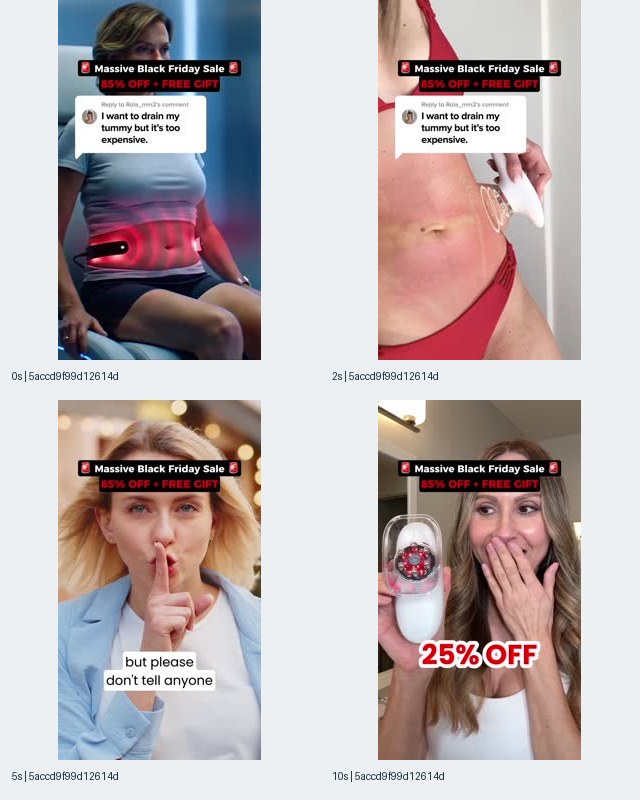
Image 4. Contact sheet for record 5accd9f99d12614d1a07f609aca5cdb9, titled “Limited Time Deal: Up to 80% OFF!” The reported linked listing is AES El Salvador, app ID com.aessv.ov; the relationship to the pictured sculpting device is unresolved. Observed timestamps: 0, 2, 5, and 10 seconds.
The early frames show a device used around the abdomen. Another frame shows a person making a quiet gesture, with text asking viewers not to tell anyone. The later sampled frame shows a person holding a device beside “25% OFF.” These are visible advertising elements. They do not demonstrate product efficacy or establish why the discount figures differ.
The body excerpt is incomplete after wording about using something to obtain the offer. That missing continuation could matter. The correct entry is “condition text truncated,” not a guessed coupon code, minimum order, or eligibility rule. Preserve the excerpt exactly enough for someone else to recognize the same gap.
| Claim location | Recorded wording | Tracker treatment |
|---|---|---|
| Record title | “Up to 80% OFF” | Qualified claim; unresolved against other messages |
| Record body | “Up to 85% OFF” for a sculpting kit | Preserve excerpt and truncation |
| Sampled banner | “85% OFF + FREE GIFT” | Separate discount and gift claims |
| Later sampled overlay | “25% OFF” | Additional visible claim; relationship unresolved |
| Reported linked listing | AES El Salvador | Preserve listing; do not assign device ownership |
A single “discount percentage” column would force the analyst to choose a number before the evidence permits it. Instead, create a claim group attached to the record. Each claim retains its location, wording, and unresolved conditions. The summary field can then read “multiple discount messages; not comparable pending verification.”
Do not infer that the ad is fraudulent or that a business intentionally misled viewers. The archive supplies a mismatch, not an explanation. Different messages could refer to different terms, products, or creative contexts, but those are hypotheses requiring additional evidence.
This example can still inform a practical production rule for your team: approve one authoritative offer statement and verify every use against it. If a video genuinely contains several offers, make their scopes explicit. The useful research outcome is a communication check, not a recommendation to match the largest sampled discount.
Before moving from these examples to the remaining product images, you can inspect indexed Black Friday creatives in AdMapix. Treat the live results as a new observation set and record the filters you use; they are not guaranteed to reproduce this frozen selection.
Sample 5: A Product Image Can Support Creative Research Without a Discount
Sample 5 supports analysis of product presentation but provides no visible numeric offer. The static image shows a ring on a hand and the words “Eternal Goddess.” The associated record is linked to AliExpress and contains generic Black Friday shopping copy. That combination is enough to preserve the image as seasonal-search reference, but it does not identify a verified seller, material specification, product price, or saving.

Image 5. Static image for record eb672de9ef4ed2a2deab7e368070d27b, reported listing AliExpress – Shopping App, app ID com.alibaba.aliexpresshd. The seasonal reference is in the record's body; no video sequence is inferred.
The hand gives the viewer a visual reference for the ring's scale. The pale, colorful stone occupies the center of the composition, and small bright details appear along the band. Describe those visible features without turning them into a material claim. An image alone does not verify the gemstone, metal, manufacturing process, or authenticity of a product.
In the tracker, separate “pictured item” from “verified product.” The pictured item can be described as an oval ring. The product identity remains unresolved unless a supplied destination or product identifier establishes it. The visible text can be transcribed into a brand-text field, with its ownership relationship left unverified.
The normalized offer field should say “seasonal shopping invitation; no quantified benefit supplied.” This is different from saying “no discount.” The former describes available evidence; the latter asserts a commercial condition that has not been checked.
For a jewelry team, the creative hypothesis is that showing an item on a hand may communicate scale more clearly than an isolated product image. That idea can become an original production brief using the team's own product and imagery. It does not require copying the sampled design or adopting its branding.
A merchandising comparison would require a separate evidence step: identify the exact item, variation, seller, price, and relevant terms. Until those fields are established, this entry belongs in the visual-reference view rather than a competitor price ladder.
Sample 6: One Video Can Carry Several Copy Versions
Sample 6 shows that a reusable video and its offer wording must be tracked independently. The contact sheet presents clothing with TikTok Shop branding and a banner advertising up to 70% off. The record's body instead mentions up to 50% off a first order. Several records in the frozen sample share this video's fingerprint while varying their surrounding copy. That demonstrates media reuse within the sample, not a sequence of completed tests or a performance result.
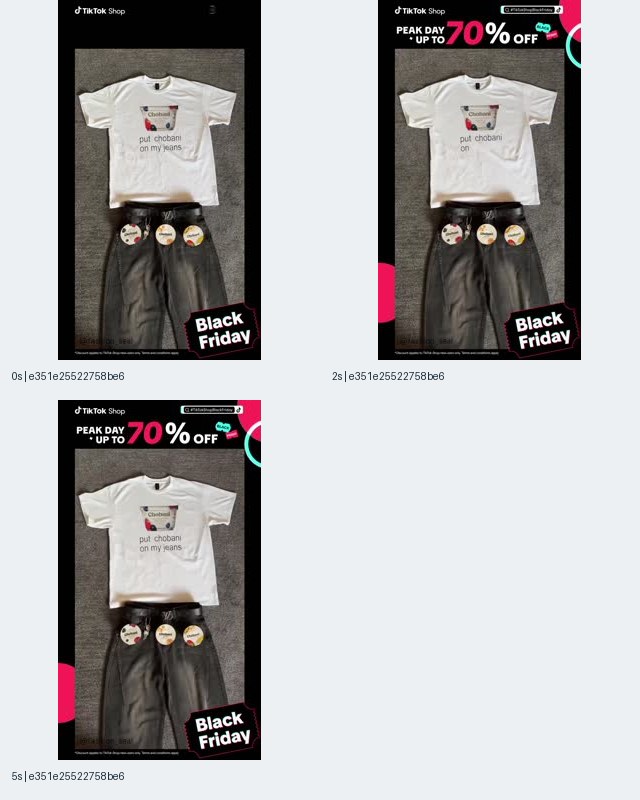
Image 6. Contact sheet for record e351e25522758be6fc77f7692b3dfdf5, reported listing TikTok, app ID com.zhiliaoapp.musically. The body describes an up-to-50%-off first-order offer; the sampled visual advertises up to 70% off. Only 0, 2, and 5 seconds were observed.
The scene uses a flat lay: a white shirt sits above dark trousers. The visible promotional framing changes between the first and subsequent sampled frames, with the “PEAK DAY” sale banner clearly present in the later images. That establishes what is visible at those timestamps. It does not establish the complete order of every element or the message shown at the end of the video.
The video fingerprint beginning 14fdcae1 appears in eight supplied records. Their copy includes variations such as “Madness Begins” and “Starts Now,” along with different surrounding language labels. Because the media identity is shared, these records should connect to one asset entry while preserving their separate advertising-copy observations.
Do not describe these as eight newly produced videos. Equally, do not discard seven records merely to obtain a cleaner media count. The separate copy variants are exactly what an offer tracker needs to retain. Deduplication should clarify relationships, not erase them.
The first-order condition is especially important. A qualified acquisition offer and a broader event headline may have different scopes. Without terms, the tracker cannot decide whether they conflict, coexist, or describe different parts of a promotion. Record “scope relationship unresolved” and keep each statement attached to its source.
A further trap is treating the dates on different records as proof that “50% became 70%.” The percentage claims appear in different evidence locations within the supplied record. That is not a before-and-after capture of the same offer surface. A version history needs comparable observations, not a chronological arrangement of unrelated dates.
For your own production workflow, the example suggests maintaining an approved offer block separately from the underlying footage. If the commercial terms change, the team can identify every body, banner, and destination using the old language. Whether modular production saves time for a particular team remains a workflow question to measure, not an outcome demonstrated by this ad.
Sample 7: Visible Branding Does Not Complete Seller Verification
Sample 7 shows a recognizable branded accessory, but the image does not establish its seller or commercial terms. The static picture contains Disney and Loungefly text on a patterned wallet or small accessory. The associated record is linked to AliExpress and uses generic Black Friday shopping copy. The tracker should preserve the visible branding and reported listing separately, without inferring authorization, ownership, authenticity, or a discount on the pictured item.
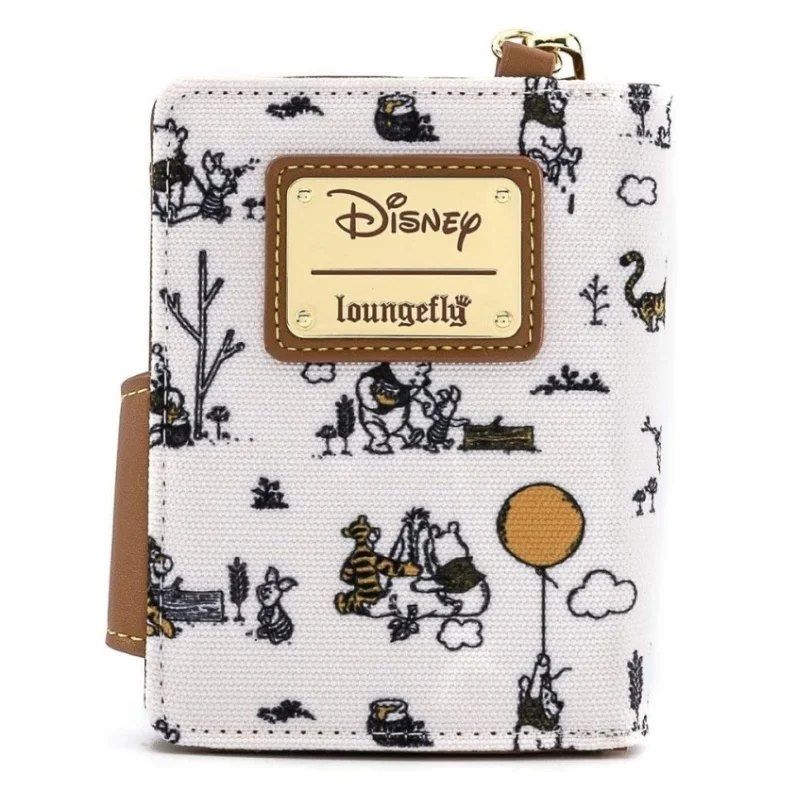
Image 7. Static image for record e07ef95e6cdf90be1ab9397ced3b20db, reported listing AliExpress – Shopping App, app ID com.alibaba.aliexpresshd. The image identifies visible branding, not a verified seller relationship.
The product is centered against a white background. Its patterned surface, brown trim, and prominent metal-colored brand plaque give the image a clear catalog-style presentation. Those observations can guide a discussion about product visibility and composition. They cannot answer whether the pictured item is available, how much it costs, or who offers it.
A marketplace-linked record introduces several possible entities: the marketplace app, the seller, the product brand, the creator of the image, and the advertising payer. Some may be the same organization; some may not. The source does not resolve those relationships here. Store each supported identity at the appropriate level instead of placing the marketplace name into every entity field.
For competitor offer tracking, this prevents a misleading comparison such as “Brand X offers a Black Friday discount through marketplace Y.” The archived body only supplies a general marketplace shopping invitation. A product-specific promotion would require product-specific evidence.
The next action is to establish the item and seller before comparing price or terms. If that information remains unavailable, retain the image in a reference collection with a clear limitation. An unresolved record can still be useful for studying composition.
For your own creative brief, borrow the research question rather than the branded execution: does a clear product front view communicate the details shoppers need before they evaluate an offer? Use original, authorized assets and an accurately identified product when testing that question.
Sample 8: Demonstration Imagery Is a Claim to Check
Sample 8 shows a denture product being pressed by a finger, with a magnified inset emphasizing the same action. This supports a description of the advertised demonstration, but it does not verify the material, comfort, fit, or clinical suitability of the product. The record is linked to AliExpress and uses generic Black Friday copy. No visible numeric seasonal saving is established by the supplied image.
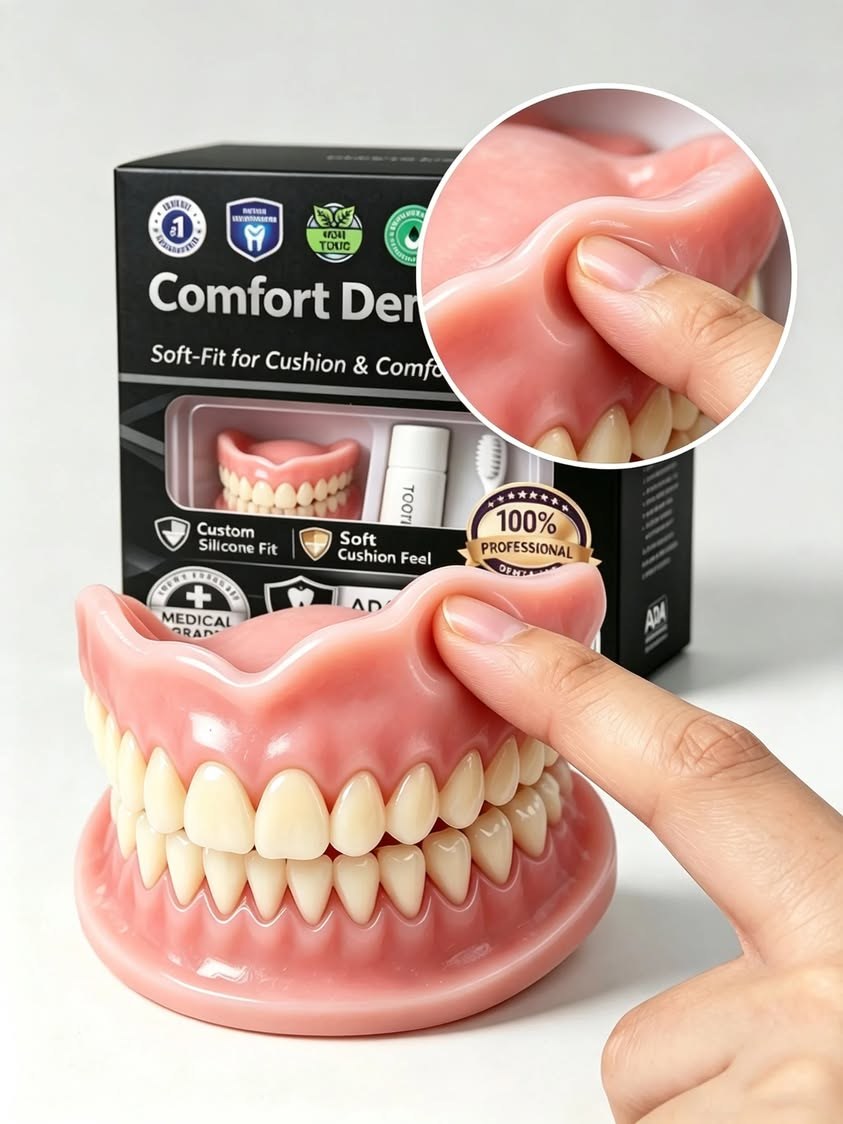
Image 8. Static image for record eda126265ea0c92a7617044117437605, reported listing AliExpress – Shopping App, app ID com.alibaba.aliexpresshd. This is advertising imagery, not a product test or medical assessment.
The packaging includes comfort and fit language, and the foreground image visually emphasizes compression. The enlarged circular inset directs attention to the pressed area. Together, those elements show how the ad presents a product property. They do not establish whether the image depicts ordinary use, a representative product, or a verified material response.
Add a product-claim field alongside the offer fields. Record that the image depicts a compression demonstration and contains comfort-related wording. Set substantiation to “not supplied.” This prevents a later brief from treating the observed image as proof that the underlying product performs as advertised.
The Black Friday reference belongs in the body-copy field. The pictured demonstration belongs in the visual-evidence field. A discount benchmark remains unavailable because the supplied record does not state the qualifying price or saving for this item.
For a creative team, the useful hypothesis concerns explanation: a detail inset may help viewers understand which product feature the advertiser wants them to notice. To explore that structure with your own product, use a truthful demonstration and evidence appropriate to the claim. The production team should know which product property it is allowed to communicate before choosing the shot.
The tracker can therefore produce two different actions from this entry. Merchandising can seek an exact product and offer relationship. Creative can note the inset composition as a reference. Neither action requires endorsing the sampled claims, and neither should be reported as a completed product evaluation.
Normalize Offers Without Removing Their Conditions
Normalize an offer only after preserving its original wording, because the qualifier often determines what the offer means. “Up to 70% off,” “50% off your first order,” “$8 day,” and a general Black Friday invitation describe different commercial propositions. A tracker that turns them all into a single discount number creates false comparability. The objective is to make similar claims searchable while keeping their differences available for decisions.
Use a benefit type, a value, a qualifier, and an eligibility description. A percentage reduction needs to retain “up to” when present. A fixed price needs a unit and currency where supported. A gift needs its identity and qualifying condition. A marketplace invitation can be classified as seasonal messaging without manufacturing a numerical benefit.
| Observed claim | Normalized benefit | Condition to preserve | Missing evidence |
|---|---|---|---|
| “Up to 70% off” | Qualified percentage reduction | Upper-bound wording | Eligible items and actual prices |
| “Up to 50% off your first order” | Qualified first-order reduction | First-order eligibility | Cap, exclusions, and redemption terms |
| “SATURDAY = $8 DAY!” | Advertised fixed-price day | Day and store context | Eligible bins or item exclusions |
| “85% OFF + FREE GIFT” | Discount plus gift claim | Separate gift component | Gift identity and qualifying terms |
| “Black Friday on AliExpress” | Seasonal shopping invitation | Marketplace context | Product-specific offer |
Do not infer an effective price from the percentage alone. A reference price, eligible variation, and discount application are necessary to calculate a meaningful comparison. Shipping, taxes, and other charges may also matter to the customer's final outlay. If the relevant evidence is absent, mark the comparison incomplete instead of filling the gap with an assumed basket.
Keep offers separated by product and customer scope. A first-order marketplace offer is not automatically comparable with a returning-customer discount from a specialist retailer. A local bin price is not automatically comparable with a listed online product price. These entries can still inform communication research, but a commercial ranking needs a common basis.
Treat translated wording with the same discipline. Preserve the original and add a translation or interpretation in a separate field. If an abbreviation, symbol, or phrase is ambiguous, record the ambiguity. Translation should not silently strengthen a qualified claim into a guaranteed benefit.
When evidence is insufficient, the tracker should produce a question. “Which products qualify for the headline saving?” is a useful output. A spreadsheet cell containing the headline percentage without that question can look precise while carrying little decision value.
Distinguish New Records, New Assets, and Actual Offer Changes
An offer change requires evidence that a comparable claim changed between observations; a new record ID or a different timestamp is not enough. The frozen sample provides examples of repeated media and different copy, but it is not a completed longitudinal monitoring exercise. Your tracker should classify changes according to what actually changed so that the team does not mistake index activity for a competitor's commercial decision.
Use “newly observed record” when a record first appears in your collected results. Use “previously observed asset” when its media identity is already known. Use “copy variant” when wording differs but the underlying media is shared. Use “offer revision” only when comparable evidence establishes a change to the benefit or its conditions.
| Situation in a future capture | Suitable label | What remains unproven |
|---|---|---|
| New record, known video, different headline | New copy variant observed | Production of a new video |
| New media fingerprint, same offer wording | New media file observed | A change to commercial terms |
| Same product and claim surface, changed eligibility | Eligibility revision observed | Whether the revision improved results |
| Record absent from a bounded result page | Not returned in this capture | Campaign termination |
| Additional destination evidence resolves a condition | Verification update | The condition's earlier availability |
| Two surfaces disagree in the same capture | Concurrent claim conflict | A chronological discount change |
Do not use the sample's reported first-observed dates to manufacture an offer rollout calendar. A record can be encountered after an asset already existed elsewhere. An index date can reflect discovery rather than the moment a business approved or launched the promotion. A tracker should label those dates according to their source meaning.
The archive also contains a record timestamp whose clock time is later than the package's stated collection time on the same date. That is a reason to preserve the source timestamps and avoid fine-grained event ordering. The supplied evidence does not explain the timing relationship well enough to build an hourly narrative.
For an actual version history, compare the same surface under sufficiently similar conditions. Save the earlier and later captures, the country, the product identity, and the observed eligibility. If one capture is logged out and another is tied to an account with a special offer, the difference may describe context rather than a universal revision.
Write the change note in plain language: “The later captured body adds a first-order condition; visual wording is unchanged.” That is easier to verify than “competitor weakened offer.” The latter adds a judgment that may not fit the customer's actual benefit.
Set a Monitoring Cadence Around Your Launch Decisions
Choose a monitoring cadence that matches the decisions your team can still change, and treat it as an operating recommendation rather than a measured best practice. Early research can focus on building a clean baseline. Closer to your own production and merchandising deadlines, attention should shift toward unresolved terms and material revisions. More frequent collection is useful only when someone can interpret the differences and act on them.
Keep the discovery query stable enough to compare captures. Record the query, country, dates, sorting choice, and retrieval limit each time. If you broaden the query or change the limit, label that as a sampling change. Otherwise, a larger set of returned records can be mistaken for increased competitor activity.
Maintain a watchlist beside the broad query. Keyword discovery helps find unfamiliar examples, while a watchlist preserves continuity for records and products already under investigation. A previously saved asset should not disappear from your working history because it no longer appears within a bounded search result.
Use separate labels for “not checked,” “not returned,” and “unavailable when checked.” These states lead to different next actions. A record missing from the current search may deserve a targeted follow-up. A source that cannot be retrieved may require preserving the last reliable observation. Neither state proves that advertising stopped.
| Preparation stage | Main research job | Useful output |
|---|---|---|
| Baseline preparation | Establish identities, asset relationships, and open questions | Initial evidence register |
| Offer planning | Verify scope and compare relevant terms | Commercial comparison with unknowns retained |
| Creative production | Check benefit placement and message consistency | Approved brief and offer wording |
| Launch readiness | Recheck material assumptions used in the brief | Updated decision notes |
| Live campaign learning | Connect your own results to your own versions | Experiment record and follow-up decisions |
Give important unresolved items a decision deadline rather than an arbitrary refresh promise. If the team must approve a gift mechanic before production starts, its eligibility question needs resolution before that approval. A record with no impact on current work can remain on a slower watchlist.
No verified hourly refresh service-level commitment is supplied for AdMapix. Do not build a process that assumes an index will expose every market change immediately. Your monitoring schedule describes when your team checks, not a guarantee about when every source updates.
The tracker should also record collection failures. If a scheduled capture is missing, mark the gap. A smooth-looking timeline with silently omitted failures can create more confidence than the underlying observation history deserves.
A Worked Baseline From the Eight Examples
The eight examples can populate a useful initial tracker without pretending that any offer has been commercially verified. The baseline below separates the advertised claim, the missing connection, and the next action. It is a worked analysis of the frozen evidence, not a record of completed follow-up checks. Its purpose is to show how an incomplete source can still produce a precise research task.
| Sample | Baseline observation | Tracker status | Next action |
|---|---|---|---|
| 1 | Up-to-70% body copy; football route footage | Product relationship unresolved | Seek the connection between shopping claim and destination |
| 2 | Saturday $8 claim; local store and address imagery | Local terms incomplete | Verify store, day, merchandise scope, and address wording |
| 3 | Black Friday body; World Cup visual message | Event relationship unresolved | Check whether fuller evidence explains the pairing |
| 4 | Different discount figures across title, body, and frames | Claim conflict | Establish authoritative terms before comparison |
| 5 | Ring image; generic marketplace sale copy | Visual reference only | Identify item and offer if commercially relevant |
| 6 | First-order body claim; broader visual discount | Scope relationship unresolved | Verify eligibility and retain shared-video relationships |
| 7 | Branded accessory image; marketplace-linked record | Seller relationship unresolved | Identify seller and product before comparing terms |
| 8 | Product-property demonstration; generic seasonal copy | Claims and offer unverified | Separate product substantiation from offer research |
The baseline should not force every row toward a pricing decision. For a jewelry team, Sample 5 may warrant product identification while the store-bin promotion remains a communication reference. For a local retailer, Sample 2 may be the more relevant operational example. Relevance comes from the team's market and question, not the record's position in the search results.
A useful research meeting would begin with the unresolved decision that blocks work. If the team is choosing how to display eligibility, Sample 6 provides a concrete discussion. If it is checking consistency across creative surfaces, Sample 4 is the more direct example. The tracker makes those distinctions visible.
Assign a resolution state to each follow-up. “Verified from a dated destination capture” requires an actual capture. “Unable to verify” should retain what was attempted. “No longer relevant to our launch” can close the task without changing the historical observation. Closing work and proving a claim are different events.
At the end of the baseline exercise, the team should have a manageable set of questions, a source-linked reference collection, and a clear boundary around what remains unknown. It should not have a fabricated competitor price ranking or a forecast of holiday campaign timing.
Turn the Baseline Into a Repeatable Reader Workflow
Run the offer-tracking workflow by defining the decision, collecting a bounded source set, preserving evidence, resolving identities, and logging only supported changes. This order keeps interpretation attached to its inputs. It also makes the workflow usable by a small team: someone can resume the research from the saved context instead of repeating discovery and guessing why particular screenshots were selected.
- Write the decision question. Specify the product category, customer context, and launch choice. “How should we explain first-order eligibility?” is more actionable than “What are competitors doing for Black Friday?”
- Define the collection scope. Record country, query, exact dates, sorting, and retrieval limit. Keep a baseline query and label any exploratory searches separately.
- Save the observation. Preserve the headline, body, reported listing, record ID, source capture, and visual timestamps. Mark truncated text and unavailable fields.
- Connect records to assets. Flatten fingerprint arrays and link repeated media to existing asset entries. Keep every relevant copy variant associated with the shared file.
- Resolve identity to the supported level. Use product and app IDs for listing relationships. Keep visible brand, seller, destination, and payer fields separate when evidence does not connect them.
- Extract claims and conditions. Preserve original wording, then normalize the benefit, qualifier, eligibility, location, and timing. Create a conflict state when surfaces disagree.
- Choose the next action. Verify terms, monitor a particular surface, retain a creative reference, or exclude the entry from commercial comparison. Record why.
- Compare later observations. Classify the change at the record, asset, copy, offer, or verification level. Keep the earlier evidence.
- Write the decision note. State what changed, why it matters to your launch, and what remains unknown. Attach any resulting production or testing brief.
For manual collection, make the capture checklist visible beside the tracker. The fields most easily forgotten are often the ones that later determine comparability: eligibility, country, product variation, and source date. A saved image without these fields can become difficult to use once the surrounding page changes.
For structured data collection, preserve the original response alongside your normalized table. Fingerprint arrays need to be handled as arrays, and absent values should remain absent. Your transformation should not turn several media references into a single arbitrary string or fill unknown conditions with default text that looks verified.
The workflow does not require a numerical confidence score. Plain statuses such as “visible in supplied frame,” “reported by source,” “unresolved relationship,” and “hypothesis” can be easier to interpret. If you do use scores internally, define what each level means and keep the underlying reasons available.
Create a short handoff note whenever another team takes over a question. Include the exact claim, the evidence location, the unresolved field, and the decision waiting on it. That prevents a request such as “check the discount” from becoming a broad, duplicated research task.
Finally, preserve rejected interpretations. If a row was initially treated as a product-specific promotion and later recognized as generic marketplace copy, record the correction. That history helps prevent the same unsupported claim from reappearing in a presentation assembled from older notes.
Write Change Reports That Separate Discovery From Market Movement
A useful change report tells readers whether the evidence changed, the sampling changed, or the team's understanding changed. Those are different developments. A newly discovered asset may be old, a larger result set may reflect a broader query, and a resolved eligibility condition may have existed before the team found it. Reporting all of these as competitor campaign movement creates a misleading narrative.
Structure each update around the decision affected. Begin with the supported change, identify the comparison captures, and state the implication for your own preparation. “We now have evidence that the offer is limited to first orders” is appropriate when new terms resolve an unknown. “The competitor just restricted the offer” would require earlier evidence that it was previously unrestricted.
A concise update can follow this format:
Observed: State the changed or newly resolved field and identify its evidence.
Comparison basis: State whether the earlier and later observations used the same product, country, and source surface.
Meaning for our launch: Identify the brief, offer comparison, or verification task affected.
Unknown: Preserve any missing eligibility, timing, or identity detail.
Action: Name the next task and accountable role.
Keep discovery volume out of the executive conclusion unless the counting unit is clear. If a collection contains more records but the same video files, say so. If a wider query produced additional examples, explain the query expansion. A report can describe increased coverage by the research team without asserting increased advertising by the market.
Do not imply that a record's continued presence proves success. It can justify continued observation, but private campaign objectives and results remain unknown. The same restraint applies to disappearance: absence from a bounded query does not establish withdrawal.
For a broader reporting structure, the published competitor ad report template provides a relevant handoff destination. Use the offer tracker as its evidence layer, with the dated observations supporting the report's claims rather than being replaced by a screenshot collage.
A good report also says when no decision-relevant change was established. That is a legitimate result. The purpose of monitoring is to maintain a reliable understanding, not to produce a dramatic competitive story at every update.
Convert Observations Into Original Launch Tests
Use competitor observations to formulate testable questions about your own communication, and use your own evidence to approve the offer being tested. The sampled ads can suggest where clarity may be missing or how a product feature is presented. They cannot supply the margin, customer eligibility, or expected conversion rate for your business. A test brief should make that separation explicit before production begins.
Consider the first-order condition in Sample 6. A hypothesis for your team might be: showing eligibility next to the headline helps customers understand the offer before they click. To test that hypothesis, keep the real offer, product, audience definition, and destination consistent while changing the placement of the eligibility explanation. The experiment concerns message placement, not an invented replication of the sampled campaign.
The conflicting claims in Sample 4 suggest a different task: establish consistency before experimenting. A team should not deliberately preserve contradictory offers merely to see which message attracts attention. First approve an accurate statement of the commercial terms, then test lawful and truthful ways of presenting it.
| Brief element | What to write |
|---|---|
| Source observation | The exact sampled feature and its evidence limit |
| Hypothesis | The customer-understanding or behavior question |
| Approved offer | Your verified benefit and eligibility |
| Variable | The specific element being changed |
| Constants | Product, terms, destination, and other relevant conditions |
| Measurement | Your own defined campaign or customer outcome |
| Decision rule | What result would support, reject, or leave the hypothesis unresolved |
| Guardrails | Commercial and customer-experience conditions the test must satisfy |
Product images create other useful questions. Sample 5 suggests testing whether an on-hand view explains scale. Sample 7 suggests examining whether a clear front view reveals enough product detail. Sample 8 suggests testing whether a truthful close-up helps explain a supported feature. These are distinct creative hypotheses; none is a finding that the sampled execution performed well.
Choose a primary measurement that matches the question, and document its denominator and observation period. A comprehension question may warrant direct customer feedback as well as campaign data. A purchase question requires your own conversion and commercial records. Click activity alone does not establish that a deeper discount is economically sensible.
If the team changes the offer, footage, landing page, and audience together, describe the result as a package test. That can be a valid business experiment, but it cannot isolate the effect of eligibility placement. Naming the experiment accurately makes the learning easier to reuse.
No such tests were completed for this article. The source sample informs the briefs; future results would need their own dated record, method, and limitations.
Common Mistakes That Make an Offer Tracker Unreliable
The most damaging tracking mistakes remove context while leaving a precise-looking value behind. A percentage without eligibility, a product name without an ID, or a “new ad” label without media comparison can all mislead downstream decisions. The remedy is to preserve the source and classify the uncertainty at the moment it appears, rather than expecting a final editor or analyst to reconstruct it later.
Recording the largest discount as the offer. Sample 4 contains different values across its title, body, and frames. Selecting the largest would hide the central finding. Keep the claims separate until their scopes are resolved.
Treating a marketplace association as seller verification. The AliExpress-linked images do not identify a verified seller for the pictured ring, accessory, or denture product. A marketplace listing is one relationship in the record, not a substitute for every commercial identity.
Turning a keyword match into proof of seasonality. The local store example includes “Black Friday” in its title while advertising a daily deal. Record the reason the keyword appears before calling the entry a holiday launch.
Counting every row as new media. The shared clothing video illustrates why copy variants and asset production need separate histories. Report records and distinct media files independently.
Calling a missing result a stopped campaign. A bounded search can change with ranking, query scope, and source availability. Preserve the missing observation without inventing a termination event.
Inferring a network from a logo. Visible TikTok branding and a linked Messenger app do not establish the delivery network for these records. Keep the network unresolved when the mapping is not verified.
Writing a full-video narrative from sampled frames. A contact sheet can establish what appears at its displayed timestamps. It cannot prove the complete story, audio, duration of an overlay, or final call to action.
Completing truncated conditions. The sculpting-kit body stops before the full offer condition is available. Guessing a coupon or threshold would create evidence that does not exist.
Treating product demonstration as substantiation. The denture image advertises a property through a visual action. The tracker should record that claim without endorsing its real-world performance.
Using longevity or estimates to justify a discount decision. Repetition, age, and model-estimated impressions do not reveal margins or conversion. Your own commercial data must support the offer you approve.
Overwriting the earlier observation. Replacing an old value with a new one destroys the comparison needed to explain a change. Keep the historical observation and update the current view from it.
Letting captions overstate the analysis. A careful paragraph can be undermined by an image caption calling the asset an official campaign or proven winner. Apply the same source and identity limits to tables, summaries, briefs, and captions.
These mistakes are preventable with a short review of the decision-bearing fields. The review should ask whether each conclusion can be traced to a dated observation and whether an unknown has accidentally become a fact.
When AdMapix Fits the Workflow
AdMapix fits this workflow as an advertising research source for finding indexed creative records and examining their associated evidence. The frozen sample demonstrates a concrete use: a seasonal query yields records whose copy, media identities, and reported app relationships can be organized into an offer tracker. That role is separate from validating a live checkout price, identifying every payer, or measuring your campaign's results.
Use the product when your immediate question concerns visible creative and messaging: which claims appear, how records reuse media, and which examples deserve further investigation. Keep your tracker or reporting process responsible for the interpretation, the unresolved questions, and the decisions made from them.
The supplied product facts distinguish the Agent Skill, which returns structured raw data, from hosted Web Deep Research. This article does not treat them as interchangeable services or claim to have tested either workflow during preparation. If choosing between research interfaces, inspect the current product information for the specific job you need to complete.
A team that only needs to verify a current product price should begin with an appropriate current commercial source. A team diagnosing its own conversion change needs its own analytics and experiment history. Creative research can inform those jobs, but it does not replace their evidence.
The next decision is simple: use the linked Black Friday search to build your own dated baseline, then decide whether the research workflow fits your recurring workload. For commercial access, check current AdMapix pricing. Plan terms can change, so this guide does not enumerate prices or credit allocations. It does not promise a paid-plan trial or a particular refresh interval.
Keep the handoff concrete: leave the research session with source-linked observations, an asset map, and the questions that affect your launch. Those are useful deliverables even when the evidence does not support an immediate campaign change.
FAQ
The following answers address the practical boundaries of researching Black Friday offers from a dated advertising sample. They distinguish what the archive can show from the additional work needed for a commercial or performance decision. The recommended tracking structure is intended to preserve those distinctions as the research moves between merchandising, creative, paid media, and reporting teams.
What should a Black Friday competitor offer tracker include?
Include the observation date, query, country, measurement window, source record, reported product identity, media identity, original offer wording, eligibility, and unresolved conditions. Keep the headline, body, and visual overlay separate. Add a next action and a version history so the tracker supports decisions over time. A screenshot collection becomes a tracker when readers can establish what was observed and what changed.
Does this sample show competitors' upcoming Black Friday plans?
No. It is a US keyword-search sample covering 2026-08-22 to 2026-09-20, collected before the proposed holiday campaign period. It includes generic seasonal copy, local daily-deal messaging, and visual material whose relationship to the offer is unresolved. Those records can guide baseline research, but they do not establish future launch dates, campaign scale, discount depth, or the full set of offers competitors intend to run.
How should conflicting discount percentages be recorded?
Preserve each percentage with its original qualifier and source location. A headline, body, and video overlay may contain different claims, and the supplied evidence may not explain their relationship. Mark the entry as unresolved rather than selecting the largest number. Commercial comparison should wait until evidence identifies the relevant product, eligibility, reference price, and applicable terms for the offer being compared.
Are several records with the same video duplicate offers?
They share a media asset, but they may contain different copy or other record-level context. Link them to the same video entry while preserving their separate observations. In this sample, the clothing video's fingerprint appears in eight records. That supports a finding of media reuse within the collection. It does not establish eight separate videos, eight verified offers, or a completed sequence of advertiser tests.
Can model-estimated impressions identify the best offer?
No. The estimates describe a specified window and do not reveal conversion, margin, customer eligibility, or profit. The sample also reflects a bounded retrieval process rather than complete market coverage. Use the creative evidence to identify questions and potential tests. Decide whether an offer is appropriate for your business using verified commercial terms and your own campaign and customer data.
How often should a team update the tracker?
Update it when new evidence could affect a decision your team can still make. Build a stable baseline early, then focus attention on unresolved terms and material changes before production or launch approvals. Preserve the query and collection limits so captures remain interpretable. Your checking schedule is an internal operating choice; it should not assume that every source updates immediately or exposes every advertising change.
Do the images prove where the ads ran or who bought them?
No. The images show branding and creative content, while the records report linked app listings. Neither automatically identifies the delivery network or advertising payer. The source's numeric network identifier lacks a verified readable mapping in the supplied evidence. Captions therefore preserve reported listing relationships and visual observations without assigning platform-specific delivery, ownership, or purchase responsibility beyond what the archive establishes.
Key Takeaways
A useful Black Friday offer tracker preserves the evidence needed to make a decision and the uncertainty that still limits it. The frozen examples show that the difficult work is often connecting copy, visuals, product identity, and eligibility correctly. Once those relationships are clear, the team can monitor meaningful changes and write original tests without mistaking advertising claims for verified commercial or performance facts.
- Capture the complete claim. Preserve wording, qualifiers, source location, and missing conditions before normalizing an offer.
- Separate records from assets. The sample contains 30 records, six distinct video fingerprints, and sixteen distinct image fingerprints; these are different units.
- Keep identity relationships explicit. A linked app, visible brand, seller, payer, and delivery network are not interchangeable.
- Record changes from comparable evidence. New discovery, media reuse, claim conflict, and a verified offer revision need different labels.
- Use research to design your next check or test. Approve commercial terms and evaluate results with evidence from your own business.
Sources
This article's observations are dated to the September 20, 2026 collection and limited to the US “Black Friday” sample for 2026-08-22 to 2026-09-20. The frozen source package linked in the methodology contains the archived request batches and checksums. The numbered images preserve selected advertising evidence; they are not proof of campaign outcomes, live offer availability, or complete video playback.
- AdMapix Black Friday search workflow — live discovery route relevant to the 2026-09-20 observation. Later results may differ; retain country, exact dates, query, and retrieval limits for each new capture.
- AdMapix methodology — public product and data-methodology reference supplied with product facts reviewed on 2026-08-13. Applied here to the dated sample's counting units, estimates, and evidence limits; no new product test is claimed.
- Ad tracking for competitive research — published internal workflow reference included on 2026-09-20 for organizing recurring observations and decision notes. Its role is workflow guidance, not independent verification of the sampled offers.
Editorial ownership remains Brad at AdMapix. Preparation and checking are disclosed as AdMapix Research — prepared with Codex and checked against the dated source sample, without implying personal human review.
Turn these observations into your next creative study
Open the creative library and select samples for your market, network and research question.
Related Articles
Instagram Carousel Ads: Examples for Product Storytelling
Use eight separately captured creative references, clearly labelled hypothetical sequences, production worksheets, accessibility and proof checks, and measurement guidance to plan original Instagram carousel ads.
Kingshot Ad Strategy: Hooks, Video Reuse, and Playable Links
A verified US iOS sample connects 30 Kingshot advertising records to 19 video files and 12 playable files, with eight timestamped visual analyses and practical briefs that separate creative observations from unmeasured performance.
Kalodata vs TikTok Creative Center: Choose by Research Task
Choose between creative inspiration and product commerce research using eight skincare examples, a dated US sample, and a practical workflow that separates observations, estimates, and testable ideas.