
Hook comparison
Group the openings a competitor keeps running and see which ones survive for months.
AdMapix shows the Facebook ads competing apps and games are running: the creative, its format and length, when the index first saw it and how long it has stayed live. Search by app or publisher, narrow by market, date and format, then read each ad beside the app's rankings and modeled download and revenue estimates.
Start with 30 lifetime Free credits; usage varies by task.
Creative combinations are not unique ads. Content types may overlap and must not be summed.
Each ad below was live on Facebook in the US at the end of the window and had already been running for months. One ad per app, tied to the app through its App Store or Google Play link rather than its display name.

🔥Train your brain!

Merge NOW!

💎 We Miss Winning with You! 💎

Ready, Set, Brawl!
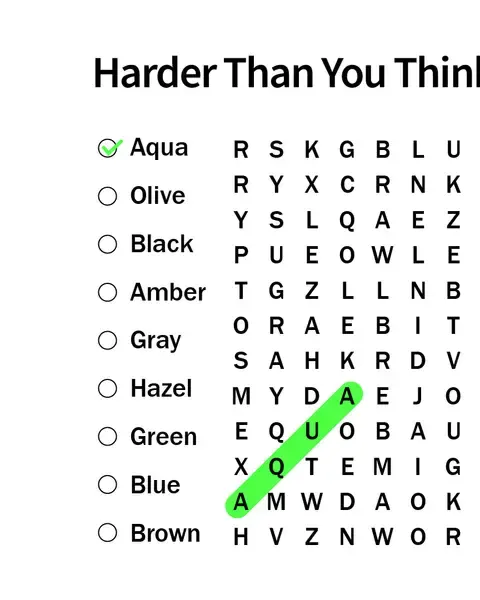
Word Search - Fun Word Puzzle

Download and Play for free
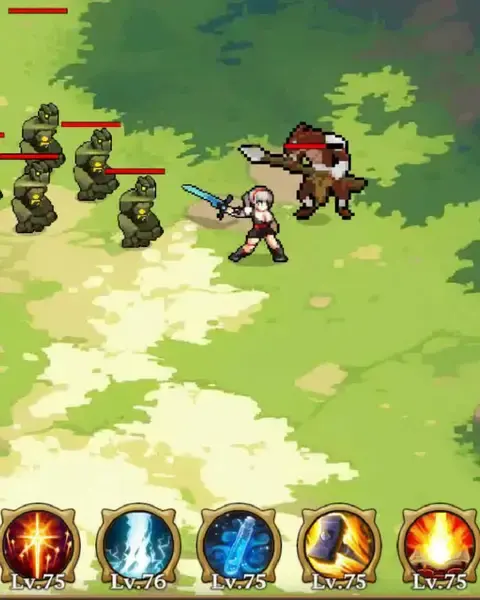
Experience the Essence of Pixel Idle Gaming.

🌹🌹To color you favorite now!!! 10000+ pics free to you. 🎮❤️
Create your own Song in seconds with AI

Imagine the entire Bible, verse by verse, in a 30,000-panel comic book!What sets it…

Cherish special moments for a lifetime

Secret Hotel Deals
Query: Facebook channel · United States · games plus tools, entertainment, lifestyle, education and health apps · window Aug 26, 2026 – Sep 24, 2026. Each ad was still live at the end of the window and first seen at least 45 days earlier; one ad per app and per publisher, deduplicated by media file. Reviewed Sep 25, 2026; the page does not update when you open it.
“Seen live on” counts the days the index observed the ad running; a gap in observation does not mean the ad was paused. Facebook-labelled records carry no modeled impression estimate, so none is shown. Longevity tells you what to study first, not whether an ad is profitable.
Download this sample as CSVType the competitor's app name or publisher, then open the app's page to see the ads attributed to it. Keyword results on their own can include other advertisers that only mention the name.
Choose Facebook under media channels, pick the country you care about and a date range, and narrow to video or image.
Sort by ad duration to put the ads a competitor has kept live longest at the top, then check first-seen dates and the app's rank for the same period. Longevity tells you what to study first; it does not prove an ad is profitable.
Meta Ad Library is free and official, and it is the place to confirm any single ad. A spy tool earns its place when you need to compare many advertisers, keep ads that have stopped, or connect ads to the app behind them.
| What you want to see | AdMapix | Meta Ad Library |
|---|---|---|
| Ads running now | Indexed ads with first- and last-seen dates | Every active ad from a Page, straight from Meta |
| Ads that have stopped | Kept in the index with their observed dates | Only political and issue ads, and ads delivered in the EU |
| Search across advertisers | By app category, country, format and date | By keyword or Page, with a country filter |
| Sort by how long an ad has run | Yes, ad duration sort | No; each ad shows its own start date |
| The app behind the ad | Resolved from the store link, with rankings and modeled downloads and revenue | The advertiser's Page only |
| Spend and impressions | Neither for Facebook records | Ranges for political and issue ads; EU reach |
| Instagram on its own | No separate filter; Meta ads are indexed under Facebook | Platform filter per ad |
| Other channels | TikTok, YouTube, Google, AppLovin, Unity and more | Meta only |
Most Facebook ad spy tools are built for ecommerce: winning products, Shopify stores, dropshipping. AdMapix is built around apps. Ads are tied to the app they promote, so a competitor's Facebook creative sits next to its category rank and modeled downloads and revenue, and you can check the same app's ads on TikTok, YouTube, AppLovin or Unity. For a UA or creative team the useful question is rarely "what is this ad". It is "which hooks has this competitor kept running, and what happened to its rank while they ran".
Once you have a competitor's long-running ads, read each one the same way: what stops the scroll, what is offered, how the message is formatted, and which action closes it. Then compare the answers across the set instead of saving screenshots one by one.
Group the openings a competitor keeps running and see which ones survive for months.
Compare rewards, urgency and calls to action across a dated set of ads.
Put category rank and modeled downloads or revenue beside the ad timeline.
Line up when a competitor's ads first appeared or changed format with its category rank and modeled download or revenue trend. The overlap tells you what to ask next; it does not prove an ad caused the growth.
“How did this app change its Facebook video hooks as its US category rank moved?”
AdMapix does not see a competitor's Facebook spend, ROAS or Ads Manager, and Facebook-labelled records carry no modeled impression estimate. Absence from the index is not proof an ad never ran. Meta Ad Library remains the official source for any single ad.
Meta Ad Library is the official source and shows every active ad from a Page. AdMapix keeps ads after they stop, lets you search and sort across advertisers, and ties each ad to the app behind it with rankings and modeled market estimates. Use the library to confirm a single ad.
Not on their own. AdMapix indexes Meta ads under the Facebook channel and has no separate Instagram filter, so you cannot isolate Instagram-only placements. Meta Ad Library's platform filter shows which Meta placements a single ad used.
No. An advertiser may keep an ad live for brand reasons, forget to pause it, or run it at a tiny budget. Longevity is a good way to decide which ads to study first, but profitability needs the advertiser's own data.
No. AdMapix does not see an advertiser's spend, ROAS or Ads Manager, and Facebook-labelled records carry no modeled impression estimate.
Not necessarily. What is available depends on the index and your filters, so an ad missing from the results is not proof it never ran.
The examples on this page are a dated snapshot and do not update when you visit. Signed-in search reads the current index; AdMapix does not publish an hourly refresh guarantee.
You can sign up and search on the Free plan. Paid plans start at $19.90 per month and raise the monthly research credits; current limits are listed on the pricing page.