
Adbeat Alternative: Native and Display Ad Intelligence Compared
Adbeat alternative guide for native and display ad research: compare data coverage, workflows, pricing, and creative analysis depth.
Adbeat Alternative: Native and Display Ad Intelligence Compared
By the AdMapix Research Desk · Updated June 19, 2026
Adbeat is a well-known competitive intelligence platform for display, programmatic, and native advertising. If your team buys native traffic, studies publisher placements, or wants to understand competitor display campaigns, Adbeat belongs on the shortlist.
But many teams searching for an Adbeat alternative are not only looking for a cheaper native ad spy tool. They want a workflow that connects ad examples, landing pages, offers, channel context, and next tests. They may also need broader social, search, video, or app ad research that goes beyond classic native and display ad intelligence.
This guide compares Adbeat, Adbeat pricing, Adbeat competitors, and the cases where AdMapix is a better fit. The goal is not to dismiss Adbeat. The goal is to match the tool to the decision your team needs to make.
For related workflows, read the native ad spy tool, ad spy tools by channel, and best ad intelligence tools guides.
Quick Answer
- Most people searching for an Adbeat alternative either need channels beyond native and display, or need ad examples that connect to landing pages and next tests.
- Keep Adbeat when native and display are core acquisition channels - it is strong on networks, publisher placements, and direct buys, with relatively transparent pricing.
- Choose an ad intelligence workflow like AdMapix when the weekly job spans social, video, and mobile-app creatives and has to end in a report and a test.
- Adbeat's depth is desktop display and native placements; AdMapix's depth is the mobile and social creative - including video and playables - and per-advertiser variants.
What Adbeat Does
Adbeat is built around competitive intelligence for display advertisers. Its official pricing page describes coverage for display, programmatic, and native ads, advertiser and publisher search, filtering by device, date range, and ad network, publisher placement URLs, reports, alerts, and country-level filtering depending on plan.
In practical terms, Adbeat is useful when the research question is:
| Question | Why Adbeat helps |
|---|---|
| Which native ads are competitors running? | Native network and creative visibility helps reveal angles |
| Which publishers carry competitor ads? | Placement URLs can show where ads appear |
| Which creatives repeat over time? | History and filters help separate one-off tests from repeated campaigns |
| Which networks matter? | Display and native network coverage helps identify media paths |
| Which advertisers are active in a category? | Browsing advertisers and categories can reveal market movement |
This makes Adbeat especially relevant for native advertisers, affiliate teams, display buyers, agencies, publishers, and media teams that care about direct buys and placements.
Adbeat Pricing Snapshot
Adbeat pricing is more transparent than many enterprise ad intelligence tools. As checked on April 17, 2026, the public Adbeat pricing page lists:
| Plan | Public monthly price | Important notes |
|---|---|---|
| Standard | $249/month | Display, programmatic, and native ads; 1,000 results per search; 90 days of data; reports |
| Advanced | $399/month | Adds country filtering, competitor alerts, advertiser comparison, unlimited search results, 1 year of data, and direct buys |
| Enterprise | Call | Adds estimated ad spend, category browsing, advanced reporting, unlimited alerts, support, onboarding, and more enterprise features |
The same page says Adbeat covers many display networks and DSPs, includes native network coverage, offers Adbeat Basic as a free account, and does not offer a free trial for Pro plans. Pricing and plan details can change, so confirm the official page before buying.
When evaluating Adbeat pricing, do not only compare the monthly fee. Compare the work it replaces.
| Pricing question | Why it matters |
|---|---|
| Do you need native and display specifically? | Adbeat is strongest when those channels matter |
| Do you need estimated spend? | That may push evaluation toward Enterprise |
| Do you need alerts? | Advanced and Enterprise workflows are more useful for monitoring |
| Do you need landing-page analysis? | A separate workflow may still be required |
| Do you need social, search, YouTube, or app ads? | Native/display coverage may not answer every channel question |
The right price depends on the channel and output. A focused native ad spy tool can be valuable if native is a core acquisition channel. It can be inefficient if your team mainly needs cross-channel creative research.
Where Adbeat Is Strong
Adbeat is strongest in native and display intelligence.
| Strength | Why it matters |
|---|---|
| Native ad visibility | Teams can study ads on networks such as Taboola, Outbrain, Revcontent, MGID, and other native environments |
| Display ad intelligence | Display buyers can see banners, placements, publishers, and network paths |
| Publisher placement context | Placement URLs help connect ads to media environments |
| Direct buys | Advanced workflows can show placements purchased directly from publishers |
| Reports and alerts | Agencies and media buyers can monitor competitors over time |
| Competitive media research | Teams can understand which advertisers appear active and where |
The official Adbeat live demo page positions the product around display ROI, standard display networks, native ad networks, pre-roll video ads, mobile devices, direct buys, and multi-country data. That is a clear fit for traffic buyers who care about native and display buying paths.
Where Teams Need an Adbeat Alternative
Teams usually look for an Adbeat alternative when their job extends beyond native and display research.
| Signal | What it means |
|---|---|
| The team needs social and search ads too | A channel-by-channel workflow is better than one native/display tool |
| Creative review needs landing pages | Ads are incomplete without the post-click path |
| The output must become a weekly report | Saved examples need narrative, confidence, and next actions |
| The team wants app or mobile UA context | Native/display data may not show the full app acquisition path |
| Buyers need fast creative tests | Large datasets still need a workflow to become tests |
| Budget is limited | A lighter workflow may be enough if native is not the primary channel |
This is the difference between display ad intelligence and a broader ad intelligence platform. Display intelligence helps you understand media paths. A creative research workflow helps you decide what to test next.
Adbeat vs AdMapix
Use this teardown scorecard when comparing Adbeat vs AdMapix.
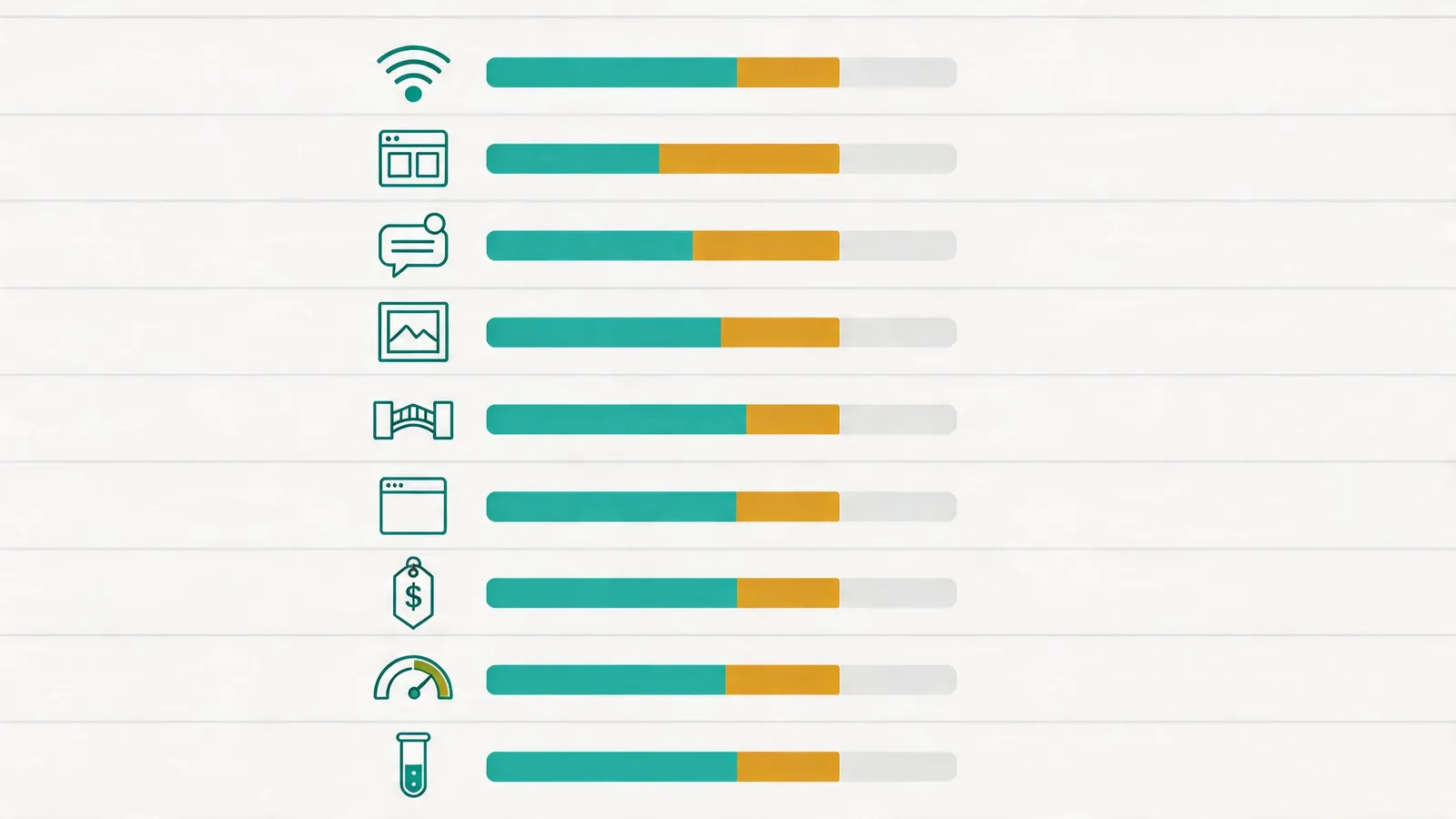
A useful native and display workflow reviews the network, publisher, creative, bridge page, landing page, offer, confidence, and next test.
| Need | Adbeat fit | AdMapix fit |
|---|---|---|
| Native ad research | Strong fit when teams need native network, publisher, and advertiser visibility | Useful when native evidence needs to connect to broader competitor research |
| Display ad intelligence | Strong fit for display creatives, placements, direct buys, and reports | Useful when display findings need to become cross-channel reports |
| Publisher placements | Strong fit when placement URLs and direct buys matter | Useful when placement context needs to be summarized for clients or internal teams |
| Landing-page context | May require additional manual workflow | Core part of ad-to-action research |
| Social, search, and video context | Not the primary job | Stronger for channel comparison and recurring competitor monitoring |
| Next-test backlog | Needs analyst interpretation | Directly tied to findings and actions |
Adbeat is closer to a native and display intelligence specialist. AdMapix is closer to a cross-channel competitor ad monitoring and reporting workflow. Some teams may use both: Adbeat for native/display depth and AdMapix for recurring reports and broader creative research.
What Placement Data Leaves Out
Placement URLs tell you where an ad ran; they don't show how hard an advertiser is iterating on the creative itself. Disclosure: AdMapix is our product, and this is a first-party query against our own index, not an estimate.
In June 2026, an AdMapix search for casino game returned creatives indexed the same day we ran it. Of the top 20 results:
- 16 of 20 were video, with the rest static - the in-app formats that run alongside native and display.
- One advertiser, SpinX's Lotsa Slots, was running a single "Claim 12M FREE COINS" campaign as five separate creative variants; BetMGM Casino had five creatives across three campaigns.
- Each result carried its app, developer, and first-seen date.
Adbeat shows you the native and display placements. AdMapix shows the mobile and social creative behind a campaign at the variant level - which advertiser is testing five versions of one hook this week - and that is what a creative team turns into its own test. Run the same casino game search to reproduce it.
Alternatives by Use Case
Different Adbeat competitors solve different jobs.
| Use case | Best evaluation path |
|---|---|
| Native traffic buying | Compare Adbeat with other native ad spy tools and network-specific research |
| Display campaign research | Compare display ad intelligence tools with placement and direct-buy visibility |
| Affiliate funnel research | Prioritize advertorial, bridge page, landing page, and offer capture |
| Social creative research | Use Meta, TikTok, and YouTube workflows instead of forcing native tools to answer social questions |
| Agency reporting | Compare export quality, client-ready narratives, and weekly monitoring speed |
| Cross-channel competitor tracking | Compare ad spy tools by channel and AdMapix reports |
The mistake is buying one tool before naming the channel. Native, display, Meta, TikTok, Google Search, YouTube, and app ads expose different evidence.
Native and Display Research Checklist
When using Adbeat or an Adbeat alternative, capture more than the ad creative.
| Field | What to record |
|---|---|
| Network | Taboola, Outbrain, MGID, Revcontent, GDN, programmatic exchange, or direct buy |
| Publisher | Where the ad appears and what reader mindset it targets |
| Creative | Thumbnail, headline, format, brand cue, CTA, and repetition |
| Advertorial or bridge | Story angle, proof, compliance risk, and claims |
| Landing page | Offer, page speed, trust elements, and message match |
| Funnel | Click path from ad to final conversion event |
| Confidence | One sample, repeated pattern, or tracked trend |
| Next action | Creative test, headline test, advertorial test, or landing-page test |
Native ad research is easy to do badly because teams stop at the thumbnail and headline. The real value often lives in the advertorial, bridge page, and final offer.
Weekly Workflow
Use this weekly workflow if native or display is a serious channel.
- Pick five competitors and two benchmark advertisers.
- Search by advertiser, keyword, publisher, and network.
- Save the creative and placement evidence.
- Visit the landing page and record the offer.
- Label the angle: curiosity, fear, comparison, social proof, price, result, or authority.
- Mark confidence: low, medium, or high.
- Turn the finding into one test.
- Add it to a weekly report.
If your team needs that report every week, use AdMapix reports to keep evidence, notes, and actions structured. Use pricing when deciding whether a recurring ad intelligence workflow is worth it.
Want the creative-variant view, not just placements? An AdMapix search returns a competitor's active ads - video, playable, and static - with app, format, and first-seen date attached, so you can see who is iterating hardest this week.
Common Mistakes
| Mistake | Better approach |
|---|---|
| Treating Adbeat as a universal ad spy tool | Use it mainly where native and display matter |
| Copying a competitor advertorial | Extract the angle and rebuild it with your own proof |
| Ignoring placement context | Publisher context changes reader intent |
| Trusting spend estimates as exact truth | Treat third-party spend as directional |
| Saving ads without the landing page | Capture the full click path |
| Comparing native ads directly to TikTok ads | Translate the insight to the channel format |
| Buying before defining workflow | Decide whether you need data depth, reports, alerts, or next tests |
Good research produces decisions. If a tool creates a larger screenshot folder but no better tests, the workflow needs improvement.
FAQ
What is Adbeat?
Adbeat is a competitive intelligence platform for display, programmatic, and native advertising research. It helps teams find ads, advertisers, publishers, placements, reports, and alerts.
How much does Adbeat cost?
As checked on April 17, 2026, Adbeat pricing lists Standard at $249/month, Advanced at $399/month, and Enterprise as call-for-pricing. Confirm the official Adbeat pricing page before buying because pricing can change.
Is Adbeat good for native ads?
Yes. Adbeat is especially relevant for native ad research because it covers native networks, publisher placements, creative examples, reports, and competitor monitoring workflows.
What are the best Adbeat competitors?
The best Adbeat competitors depend on the channel. For native and display, compare native ad spy and display intelligence tools. For cross-channel competitor monitoring, creative teardown, landing-page context, and reports, compare AdMapix.
When should I use AdMapix instead of Adbeat?
Use AdMapix when the team needs cross-channel competitor ad monitoring, landing-page evidence, weekly reports, and next-test recommendations rather than only native and display ad intelligence.
Can I use Adbeat and AdMapix together?
Yes. A media buying team may use Adbeat for native and display depth, then use AdMapix to turn competitor evidence into broader reports, landing-page notes, and creative test plans.
Key Takeaways
- Adbeat is a native and display specialist - strongest on networks, publisher placements, and direct buys.
- Name your channels before buying: native, display, social, search, video, and app ads expose different evidence.
- Adbeat pricing is relatively transparent (Standard and Advanced public, Enterprise on request) - still confirm the official page.
- For cross-channel research, landing-page context, and weekly reports, an AdMapix-style workflow complements Adbeat's placement depth.
- AdMapix's edge is variant-level mobile and social creative - including playables - that placement data alone doesn't show.
Conclusion
Adbeat is a strong option for native and display ad intelligence. It has clear use cases around native networks, display creatives, publisher placements, direct buys, reports, and alerts.
An Adbeat alternative becomes relevant when the team needs broader competitor ad tracking, landing-page context, social/search/video coverage, and weekly action-oriented reports. If native and display are your core channels, evaluate Adbeat carefully. If your team needs cross-channel creative research and decision-ready reports, start with AdMapix reports or review pricing.
Sources
- Adbeat pricing and Adbeat live demo - plans, coverage, and positioning (checked April 17, 2026; confirm the live page before buying).
- First-party data: AdMapix creative index, "casino game" query, June 2026. Format, variant, and freshness figures are reproducible by running the same search.
Turn these observations into your next creative study
Open the creative library and select samples for your market, network and research question.
Related Articles
Vivvix Alternative: Ad Intelligence for Faster Creative Research
Compare Vivvix with faster ad intelligence workflows for growth teams, agencies, and app marketers that need creative examples and competitor tracking.
Sensor Tower Alternative for Ad Creative and App Intelligence
Looking for a Sensor Tower alternative? Compare app intelligence, ad creative research, pricing access, and best-fit use cases for growth teams.
Foreplay.co Alternative: When Creative Teams Need Ad Intelligence Too
Compare Foreplay.co with ad intelligence alternatives. Learn when Foreplay is enough for swipe files and when teams need broader competitor ad tracking.