
Facebook Ad Copy Examples: Match Copy, Visuals, Proof and Offers
Compare complete Facebook ad headlines and bodies with eight source images, archived offers and bounded video observations, then turn the findings into an original creative brief.
Facebook Ad Copy Examples: Match Copy, Visuals, Proof and Offers
Facebook ad copy examples become useful when you compare the complete headline and body with the image, the offer and the terms a customer would need before buying. Start with a single audit row: copy → visual promise → offer → supporting evidence → unknown terms. That sequence helps creative strategists, ecommerce marketers and paid social teams decide what to borrow as a writing structure, what needs clarification and what requires separate substantiation.
The dated examples below show why this matters. A product photograph can identify a moisturizer without proving its benefits. A video can repeat a discount consistently without establishing checkout eligibility. Seasonal copy can remain visible in an archive after its commercial relevance has changed. The practical output is a complete creative brief with an evidence trail, rather than a folder of attractive opening lines.
Last updated: 2026-09-13.
AdMapix Research — prepared with Codex and checked against the dated source sample. Editorial ownership: Brad at AdMapix. This preparation disclosure does not imply personal human review. AdMapix is our product; product information and advertising observations are distinguished throughout.
Quick Answer
Useful Facebook ad copy connects the product, the audience, the visual and the requested action without making the reader supply missing conditions.
- Preserve the complete source headline and body before summarizing either one.
- Compare what the copy says with what the image or inspected video frames actually show.
- Treat discounts, prices, retailer exclusivity, testimonials and efficacy statements as archived advertiser claims until separately verified.
- Turn an observed structure into an original test hypothesis; public creative evidence does not establish conversions, spend or profitability.
Start With a Copy, Visual, Offer and Terms Audit
A practical copy audit gives each promise a location, a source and an unresolved question. It should reveal whether a reader can identify the product, understand the benefit and interpret the offer from the assembled creative. A fluent headline is only part of that job. The body might introduce a different product, the artwork might narrow the audience, or a discount badge might carry a condition that never appears in the accompanying text.
Use this template before writing alternatives:
| Audit field | What to record | Question to resolve |
|---|---|---|
| Source identity | Record ID, reported linked listing, country, network and dates | Which source record supports this example? |
| Complete headline | Exact available headline, including product variants and offer figures | Does it identify the same product as the image? |
| Complete body | Entire available body, preserving qualifications and promotional language | What additional promises appear beyond the opening? |
| Visual promise | Visible product, audience cues, demonstration and embedded text | Does the artwork reinforce, narrow or complicate the copy? |
| Offer | Discount, bundle, availability, limited release or requested action | What exactly is the reader being invited to obtain? |
| Evidence shown | Packaging, application, testimonial, comparison or claimed credentials | What can this evidence actually establish? |
| Unknown terms | Eligibility, expiry, exclusions, reference price, evidence basis and destination | What would need checking before reuse or publication? |
| Next action | Clarify, verify, preserve or test | What specific work follows from the observation? |
Keep evidence that a claim was made separate from evidence that the claim is true. A screenshot showing “25% OFF” establishes that the creative contains the percentage. It does not establish the eligible products, the reference price or whether the discount applies at checkout.
The same distinction applies to product benefits. A photograph of polished nails can show the appearance selected for the advertisement. It does not establish how quickly the product dries or how many application steps a customer needs. A package marked for oily skin can identify a marketed variant without proving its suitability for every person with that skin type.
A useful audit therefore ends with an action, not a score alone. “Product identity aligns; price needs checking” tells a production team what to do. “Strong ad” leaves the next person guessing. For the broader discovery process behind this exercise, use the Facebook Ads Library research guide.
Methodology: What the Dated Samples Contain
This article compares source copy and visible creative material from two separate US skincare searches, with distinct measurement windows and sample counts. The main sample covers 2026-08-15 to 2026-09-13 and was retrieved on 2026-09-13 at 16:05:18 UTC. The supplemental sample covers 2026-08-14 to 2026-09-12. Both use the query skincare and the verified Facebook(FB) leaf network 1006, rather than the broader Facebook Ads parent or Audience Network.
The primary search requested up to three pages with ten records per page, using impression-descending ordering. It returned 24 advertising records, containing 13 distinct video fingerprints and 11 distinct image fingerprints. There were no playable fingerprints in this sample. These are separate counting units: advertising records describe entries, while fingerprints identify indexed media files. The counts do not describe a complete advertiser fleet or Facebook’s overall creative mix.
The supplemental sample contains 28 distinct creative records, 14 video fingerprints and 14 image fingerprints. Its counts are kept separate. The samples overlap in some examples, so adding their record counts would not establish a combined count of distinct advertisements or media files.
Eight supplied static source images are reproduced below. Supplemental preparation also downloaded two source videos and inspected bounded frames: TULA from 0–13 seconds at one-second intervals, and COSRX from 0–45 seconds at three-second intervals. The supplied source durations were 14.29 seconds and 47.60 seconds respectively. Audio was not transcribed. The video discussion relies on those recorded visual observations; it is not a claim of complete audiovisual viewing or exhaustive subtitle review.
The source copy shown below preserves the complete available headline and body for each analyzed example. Search-result highlighting has been removed where present, but substantive wording has not been shortened inside passages labeled as complete copy. Full API body text does not establish that the native Facebook interface displayed that text without truncation.
The search also returned fragrance, haircare and nail products. Some records are associated with the Ulta Beauty listing, whose indexed name includes skincare. Their appearance in this result set does not turn them into skincare products. Reported listing IDs supply association context; a pictured brand or retailer name does not independently identify the Facebook page owner or ad buyer.
Native Facebook layouts, page ownership, original landing pages and checkout conditions were not independently verified. Missing original ad URLs remain missing. The public source packages linked in Sources preserve batches, request parameters and checksums so readers can inspect the frozen evidence. Repeating the query later may return different results.
Finally, impression fields are third-party model estimates for the specified window. They are not observed delivery, spend, installs, profit or lifetime totals. The primary records’ zero-valued impression fields do not support a performance ranking or prove that no delivery occurred. Global first-seen and last-seen dates are source-wide observations, not proof of activity throughout the requested window or uninterrupted delivery.
Evidence Table: The Decisions These Examples Support
The examples support an audit of message construction, with different verification needs for each kind of promise. The table identifies the principal issue in each supplied static image and connects it to the exact primary source record. It is an editorial comparison, not a ranking of campaign results. Complete copy and the corresponding images appear in the following sections so that the table’s interpretations can be checked against their context.
| Image | Product shown or named | Primary record ID | Copy and visual relationship | Main unresolved issue |
|---|---|---|---|---|
| 1 | Philosophy fragrance mists | 355e55794cb854be0464c1fc64b6748e | Body names Cherry Gleam; artwork shows a three-product family | Retailer exclusivity and the intended product destination |
| 2 | LONDONTOWN nail concealer | 9c971571dad58deb9ad6fbf0f4a5fb57 | Body promises application simplicity; artwork emphasizes a testimonial | Testimonial provenance and application claims |
| 3 | Lancer The Method: Nourish, oily variant | 4c163fb710e85bd47d737cf8b3aeb48a | Headline identifies variant and price; image shows packaging | Current price, product destination and award basis |
| 4 | Coach cherry fragrance | 77f278524217708dbc6085d691674c98 | Short sensory copy aligns with cherry imagery | Exact product destination; no duration proof |
| 5 | Dionis seasonal body lotion | 0c53df02944f00f80118f2e5173bdb45 | Body describes returning collections; image shows one limited-edition lotion | Current stock and release timing |
| 6 | Sanitas Brightening Peel Pads | a0a20849e46fb57ae164cbda322f7401 | Reminder language accompanies a simple product image | Intended audience and unverified targeting |
| 7 | DevaCurl styling combination | ece0aa56021a8ec0da251555a1cf21e7 | Headline says waves; artwork specifies medium-to-coarse curls and coils | Audience terminology and product suitability |
| 8 | ALASTIN HydraTint sunscreen | e99aa857d87589069eed9f7b9c00c6cb | Copy and artwork repeat protection, hydration and glow themes | Product-claim substantiation and usage context |
The reported linked listing for images 1, 2, 4 and 7 is Ulta Beauty, ID 561930308. The other examples are associated with the reported Lancer, Dionis, Sanitas and ALASTIN product listings. These associations help preserve provenance; they do not establish who funded each advertisement.
Read the table horizontally. The useful conclusion is a relationship such as “the image narrows the audience beyond the headline,” followed by a production decision. Reading vertically and declaring one brand the strongest advertiser would require evidence this sample does not provide.
Retailer-Led Examples: Product Specificity and Testimonial Proof
Retailer-led copy can distribute information across the headline, body and artwork, but each surface still needs to point to a coherent product choice. Philosophy uses the body to describe a particular fragrance while showing a wider product family. LONDONTOWN uses the body for application benefits while the artwork supplies a social endorsement. Both examples show how complementary messaging can also create verification work that disappears when only the headline is saved.
Philosophy: complete API headline
Make your summer sweeter
Complete API body
Cherry Gleam Body & Hair Fragrance Mist evokes delight; blending juicy apple, lush cherry and creamy vanilla scents.
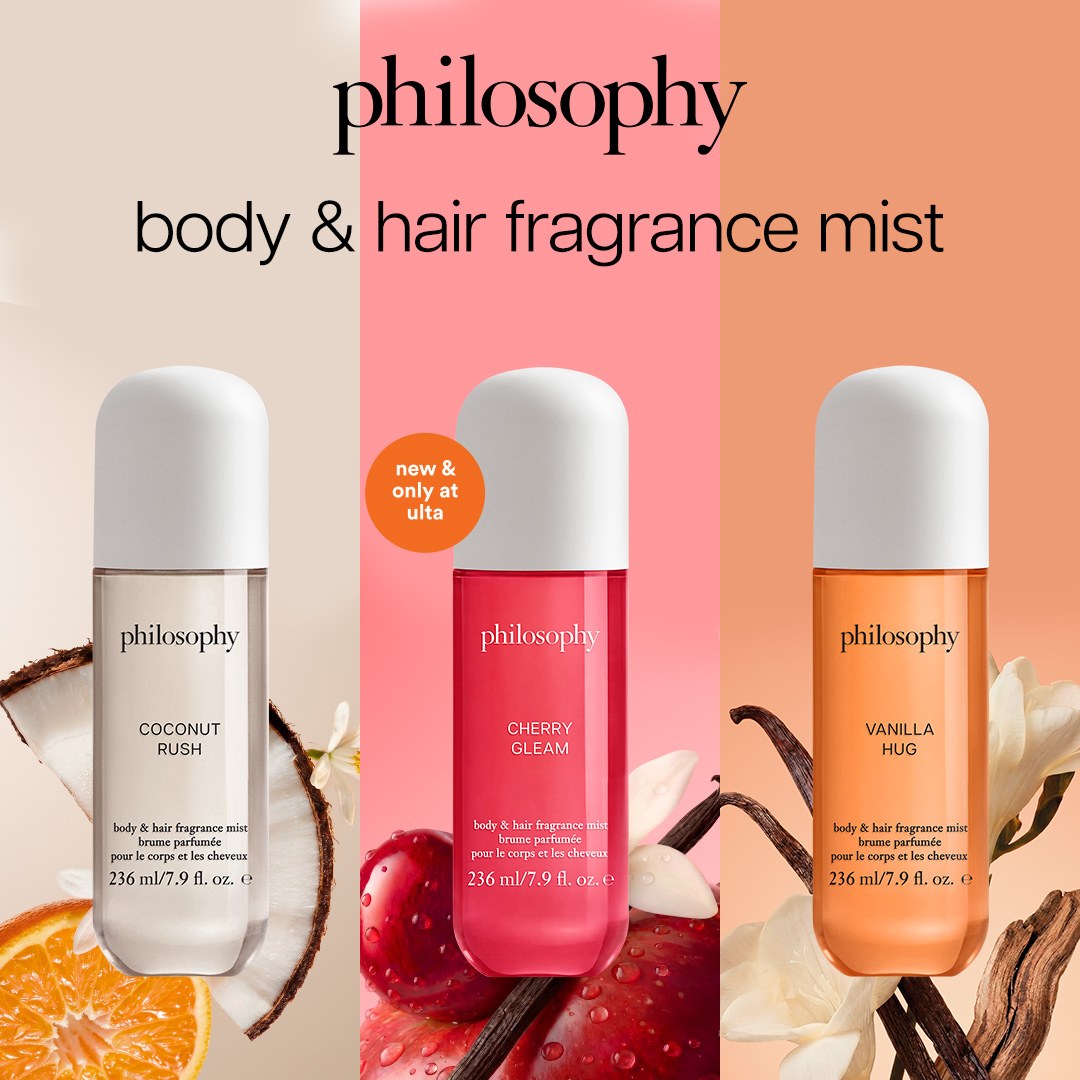
Image 1. Primary record 355e55794cb854be0464c1fc64b6748e, associated with the reported Ulta Beauty listing. The source image shows three Philosophy mists and the archived claim “new & only at ulta.” It is creative evidence, not confirmation of current exclusivity.
The headline creates a seasonal mood. The body then names Cherry Gleam and describes its scent through apple, cherry and vanilla. That progression gives the reader more specificity without introducing a discount or a measurable performance promise.
The artwork has a broader job. Coconut Rush, Cherry Gleam and Vanilla Hug occupy separate colored panels. Ingredient-like props and the large “body & hair fragrance mist” heading explain the category. The center bottle corresponds to the body’s named product, but the whole image invites consideration of a range.
That is a distinction a brief should preserve. This is a Cherry Gleam body paired with product-family artwork. A researcher should not label every visible bottle with the Cherry Gleam scent description or infer that the body describes the full collection. Equally, the fruit and vanilla props are visual scent cues, not independently verified ingredient documentation.
The orange retailer badge adds a separate commercial statement that the API body does not contain. A copy-only review would miss it. A complete audit records the badge and asks whether exclusivity remains valid for the intended product, territory and date.
For an original campaign, choose whether the reader is selecting one scent or exploring a collection. If the destination is one product, a product-specific image may make that choice clearer. If the destination is a collection, the body can explain why several options are pictured. Hypothesis: aligning the breadth of the body with the breadth of the image may improve product recognition. The sample does not establish whether either arrangement converts better.
LONDONTOWN: complete API headline
Now Available at Ulta
Complete API body
The cult-favorite beauty editors call "a filter for your nails." LONDONTOWN Illuminating Nail Concealer gives you instantly brighter, polished-looking nails in one swipe. No base coat. No top coat. No dry time. Shop now at Ulta Beauty.
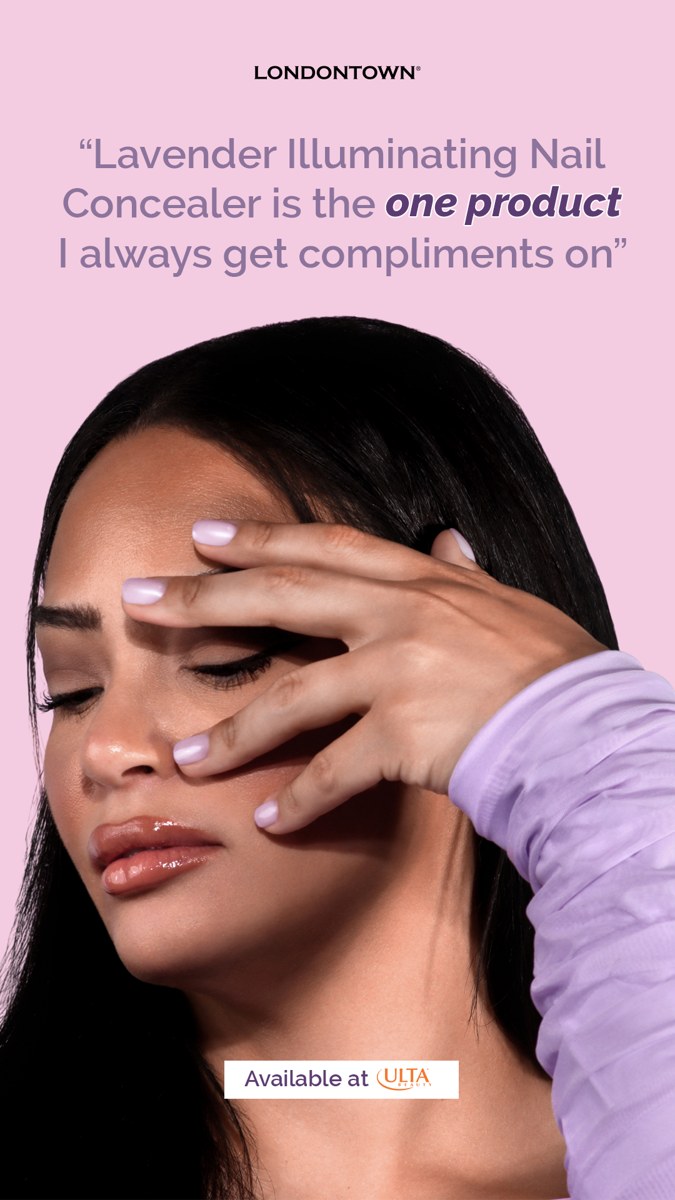
Image 2. Primary record 9c971571dad58deb9ad6fbf0f4a5fb57, associated with the reported Ulta Beauty listing. The source artwork emphasizes lavender nails and a compliment-based quotation. The quotation and application benefits remain advertiser statements.
Here the headline supplies distribution news. The body adds an editorial endorsement, a visual metaphor, an immediate appearance claim and several statements about application. The image takes a different route: a close view of lavender nails accompanies the quotation, “Lavender Illuminating Nail Concealer is the one product I always get compliments on.”
The artwork can illustrate the intended appearance. It cannot verify “No dry time,” establish that no base or top coat is required, or authenticate the quotation. Those claims need different evidence even though they belong to the same ad.
There is also a specificity difference. The body names Illuminating Nail Concealer generally, while the image calls out Lavender Illuminating Nail Concealer. A production team should confirm the exact shade and destination before combining a general product body with shade-specific artwork.
The useful writing structure is availability → recognizable benefit → reduced application friction → retailer action. The useful visual structure is product appearance → social endorsement. They can work together, but the endorsement should not be treated as proof of every application statement.
If adapting this structure, use your own product facts and authorized evidence. A verified quote about appearance supports an appearance message; it does not automatically support a speed promise. Ask the claim owner to identify which sentence each supporting document covers. That makes the review precise enough to catch a compelling but unsupported addition.
Product-Led Examples: Lancer Identification and Coach Atmosphere
Product-led ads can make packaging or atmosphere carry much of the message, which changes what the headline and body need to explain. Lancer’s headline handles model, variant and an archived price while its image supports identification. Coach’s short body works with a highly styled fragrance photograph. Comparing them shows why a sparse ad can be clear about the object being sold while leaving benefits, commercial terms or product-page details unresolved.
Lancer: complete API headline
The Method: Nourish (Oily) | $130
Complete API body
Shop award-winning skincare essentials for flawless skin!
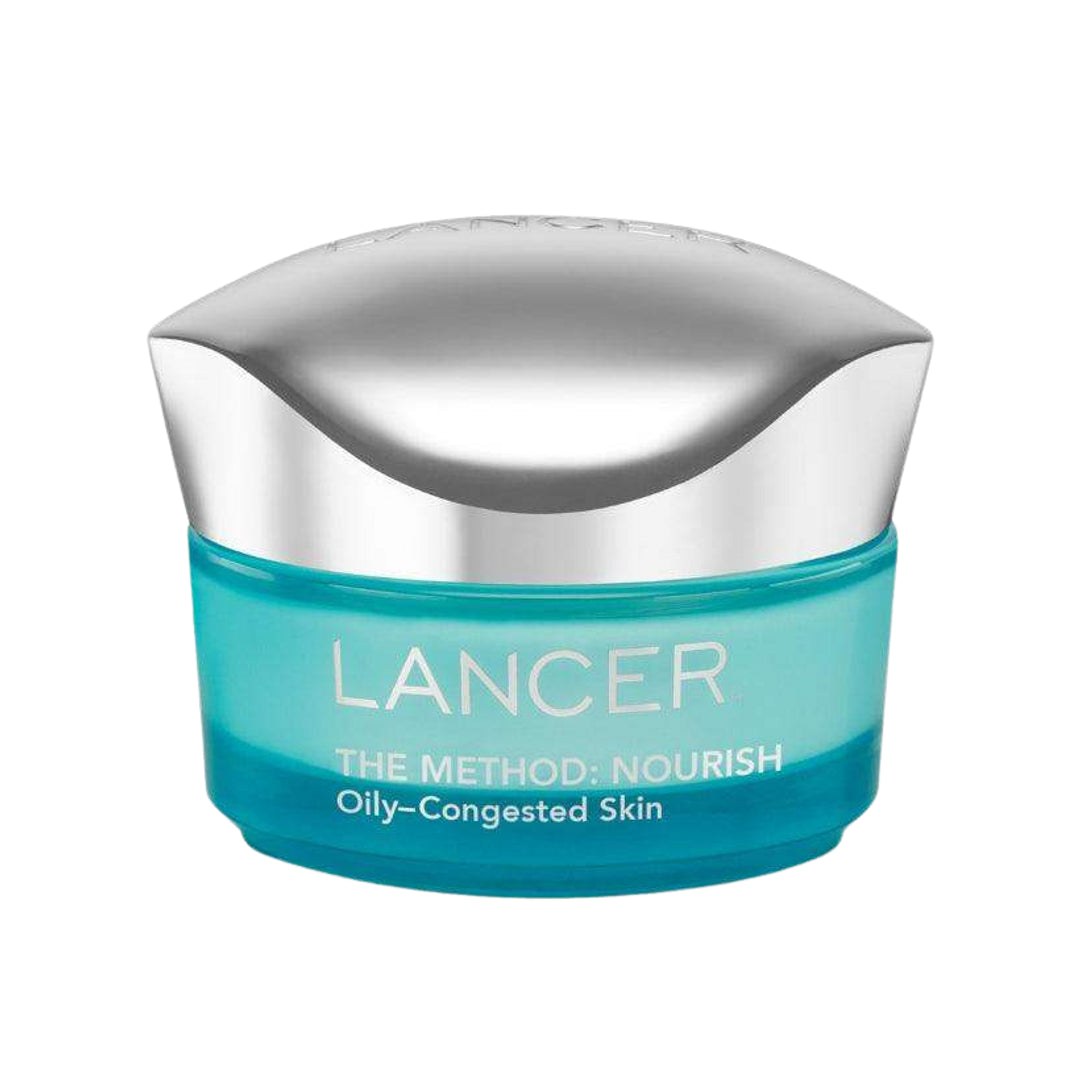
Image 3. Primary record 4c163fb710e85bd47d737cf8b3aeb48a, associated with the reported Lancer Skincare listing. The image identifies The Method: Nourish and its oily-congested-skin positioning. The $130 figure appears in the archived headline, not as a verified current price.
The headline is unusually concrete compared with the body. It identifies the product family, the Nourish product, the oily variant and a dollar amount. The body supplies broad desirability through “award-winning” and “flawless skin,” but does not identify an award or explain what result a customer should expect under particular conditions.
The jar helps confirm the product name and marketed skin-type variant. It does not demonstrate improvement, substantiate the award language or establish the current price. A reviewer can therefore reach a mixed conclusion: the product identification is visibly aligned, while the benefit and commercial evidence remain incomplete.
The source also contains a separate page-title field referring to The Method Polish. That field should not override the headline and visible Nourish packaging. It creates a destination-verification question. Without an independently inspected landing page, the article cannot settle whether the destination was a specific product, a broader collection or a different page at the time of capture.
This is a practical reason to retain more than one identity field in research notes. A screenshot folder might preserve the jar and lose the conflicting page title. A copied headline might preserve the price and lose the package variant. The complete record exposes the question before a team recreates the combination.
For your own product-led ad, assign clear jobs: the image identifies the exact item, the headline identifies the buying choice, and the body explains a supported reason to consider it. If a price is used, its currency, applicable variant and destination should be checked close to publication. An archived price should never become a current recommendation simply because it is easy to quote.
Coach: complete API headline
Juicy & irresistible
Complete API body
Experience the new CHERRY PARFUM, a playful fragrance that leaves a lasting impression.
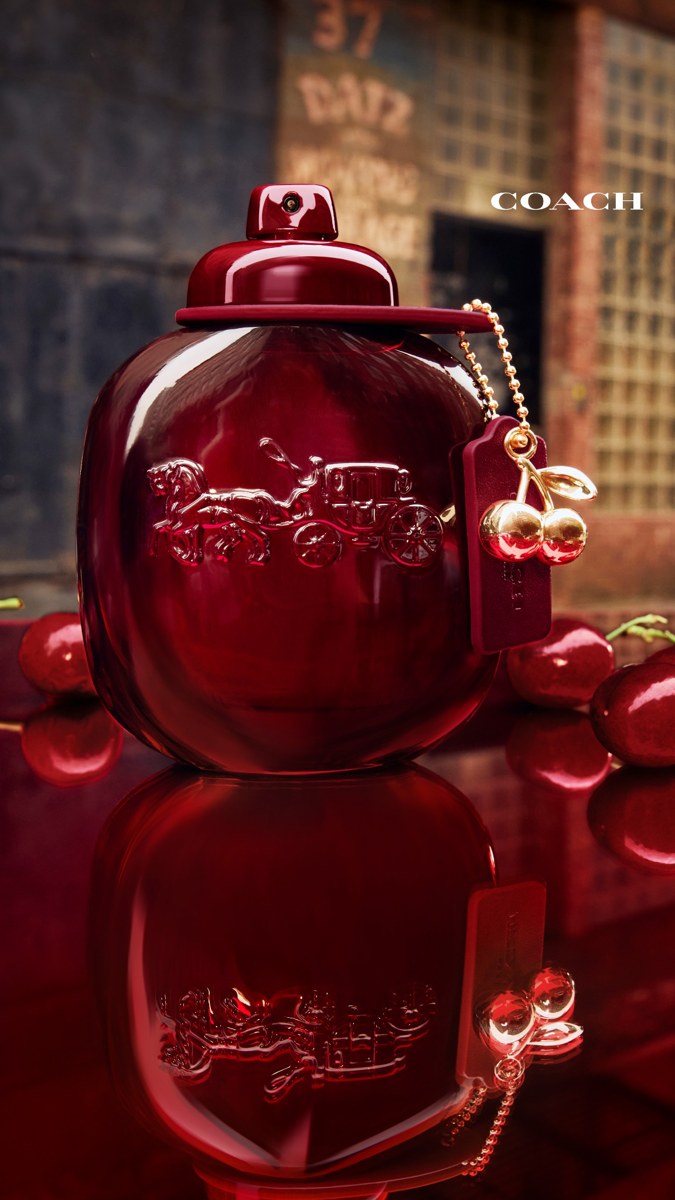
Image 4. Primary record 77f278524217708dbc6085d691674c98, associated with the reported Ulta Beauty listing. The source image shows Coach branding and a cherry-themed fragrance presentation. The listing association does not independently identify the ad buyer.
The copy and image share a sensory vocabulary. “Juicy” aligns with the cherries and deep red bottle; “playful” aligns with the cherry charm. The large product and its reflection dominate the image, while the background establishes atmosphere without adding a visible offer.
“Leaves a lasting impression” should be read carefully. In this body, it functions as promotional language about the fragrance’s impression. It does not supply a tested wear duration. Rewriting it as a promise that the scent lasts for a stated number of hours would introduce a claim absent from the evidence.
The source provides no discount, code or savings figure. The offer is an invitation to experience a named fragrance. Treating every ad as a promotion would miss this category of purchase proposition: the product itself is the focus, and the desired action is supported by mood and recognition.
An original test can examine how much category explanation the audience needs. One version might retain minimal sensory wording; another might add a verified scent description. Keep the product and visual execution stable if the question is about descriptive copy. Hypothesis: additional scent specificity may help unfamiliar readers identify the product’s character. No result for that experiment is supplied here.
Seasonal and Reminder Copy: Dionis and Sanitas
Seasonal and reminder ads ask readers to act for different reasons, so their missing information should be audited differently. Dionis creates a timing reason through returning collections and limited availability. Sanitas addresses someone as if they have considered a product already. The former raises inventory and expiry questions; the latter raises questions about assumed product familiarity. Neither creative reveals the advertiser’s targeting settings or establishes whether the intended audience actually received it.
Dionis: complete API headline
Dionis Goat Milk Skincare
Complete API body
Fall has finally arrived at DIONIS® with the long-awaited return of our Pumpkin, Vanilla Chai, Butterscotch and Warm Apple Crisp collections. For a limited time only, while supplies last - stock up now while you can!
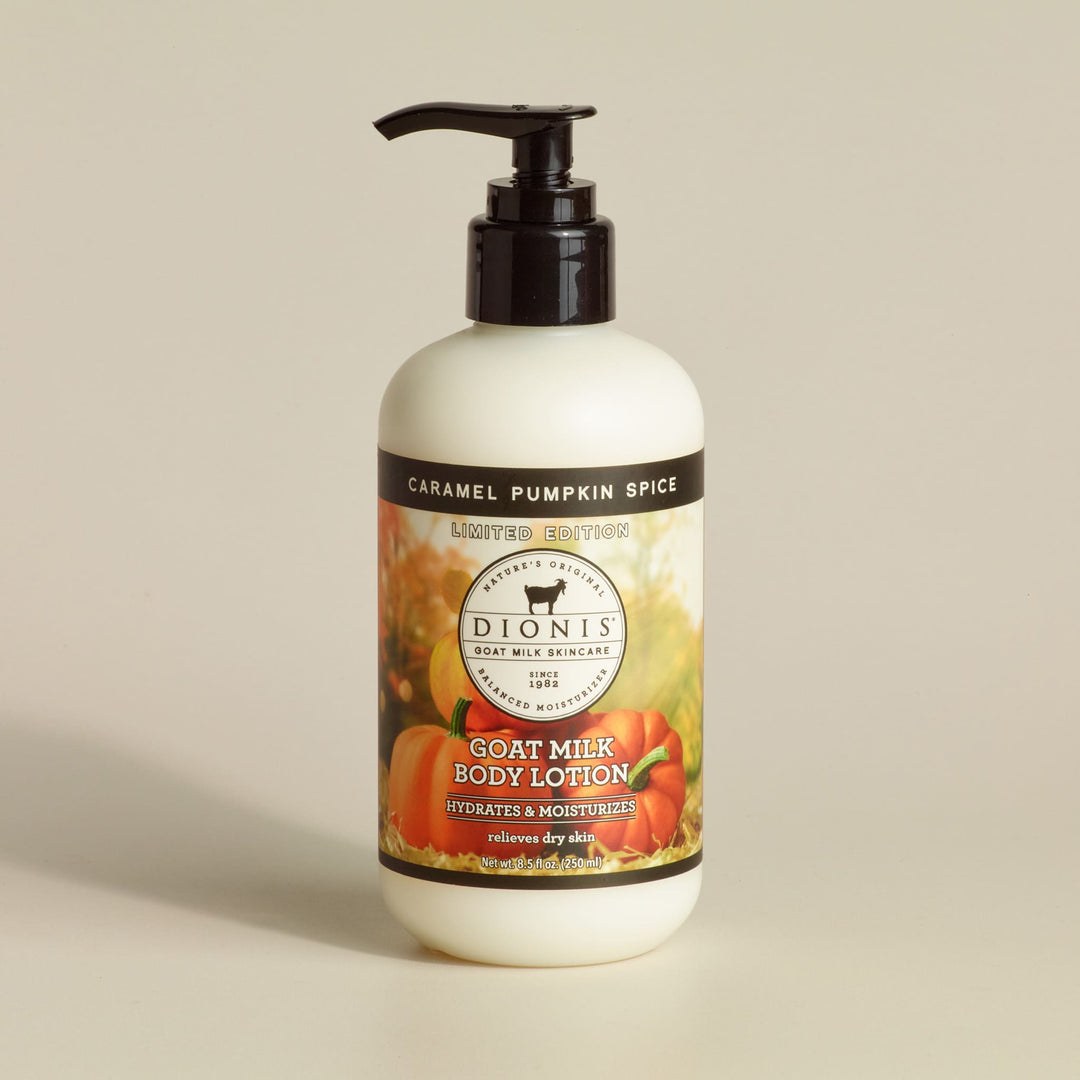
Image 5. Primary record 0c53df02944f00f80118f2e5173bdb45, associated with the reported Dionis Goat Milk Skincare listing. The source photograph shows a Caramel Pumpkin Spice body lotion marked “Limited Edition.” Current availability is not established.
The body makes a collection-level announcement. It names several seasonal collections and adds two timing conditions: limited time and remaining supply. The image illustrates that broader announcement with one bottle. Its pumpkin label, warm palette and limited-edition wording reinforce the seasonal theme.
The audit should keep the illustrated SKU separate from the full collection list. The image does not show every named collection, and “Pumpkin” in the body is broader than the visible Caramel Pumpkin Spice product name. This need not be a contradiction, but a destination should help the reader move from the featured bottle to the collection choice being advertised.
The urgency also has a specific evidentiary boundary. “While supplies last” is an archived advertiser statement, not an inventory report. It does not tell the researcher how much stock existed, when the release ended or whether any item is available now. Source last-seen dates cannot answer those questions.
A production team adapting the structure should ask the merchandising owner what creates the deadline. Is it a scheduled release, a defined end date or stock availability? The answer determines the wording. “Limited edition” on packaging should not be converted into “ends tonight” in copy without a separately established deadline.
There is no percentage discount in this example. The purchase reason is seasonal access. That distinction matters when briefing the creative: a returning product announcement can be complete without a sale badge, provided its availability language is accurate and the destination presents the promised collection.
Sanitas: complete API headline
Brightening Peel Pads
Complete API body
Still thinking about it? Your new skincare routine is waiting.
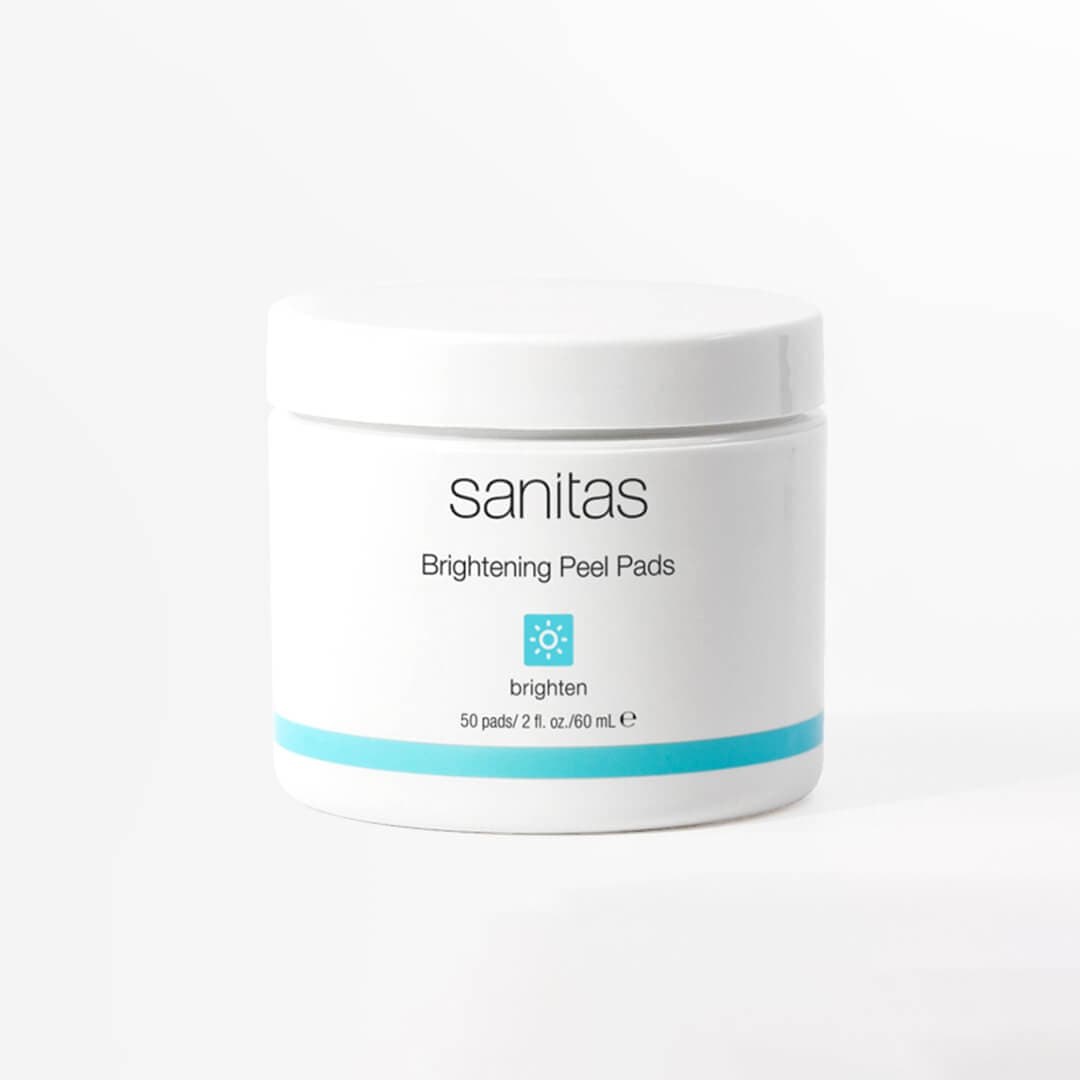
Image 6. Primary record a0a20849e46fb57ae164cbda322f7401, associated with the reported Sanitas Skincare listing. The source image supplies product recognition while the body uses reminder language. Retargeting configuration is not visible.
The headline names the product directly. The body then assumes a prior moment of consideration through “Still thinking about it?” The image stays close to a catalog photograph, giving the product label enough space to be recognized.
This supports describing the copy as a reminder-style message. It does not support saying the ad was delivered only to site visitors, cart abandoners or existing customers. Language can suggest an intended conversational context without exposing how a campaign was configured.
The copy also shifts from a single product to “your new skincare routine.” A familiar reader may understand how the pads fit into that routine; an unfamiliar reader may not. The useful audit question is whether the destination supplies the missing role, instructions and product context. None of those destination details was independently checked here.
A reasonable original test hypothesis is that a brief, verified explanation of the product’s role could improve comprehension among people unfamiliar with it. A different test could compare reminder wording with neutral product wording in an appropriately defined audience. Those are separate questions and should not be bundled into one uncontrolled rewrite.
For research, save the restraint as well as the wording. This ad does not add a discount, a testimonial or a detailed mechanism. Its structure depends on recognition. Copying the brevity into an acquisition ad for an unfamiliar product might remove information the reader still needs.
Audience and Benefit Alignment: DevaCurl and ALASTIN
Audience labels and benefit lists need to agree across surfaces, even when the headline and artwork use different levels of detail. DevaCurl exposes a terminology question between waves and medium-to-coarse curls and coils. ALASTIN repeats a connected set of product benefits in both copy and image. The first example calls for audience clarification; the second calls for claim substantiation. Neither question can be settled by deciding that the design looks convincing.
DevaCurl: complete API headline
Your waves will love this combo
Complete API body
All the curl style without all the crunch? Sign us up! Find your favorite DevaCurl® styler.
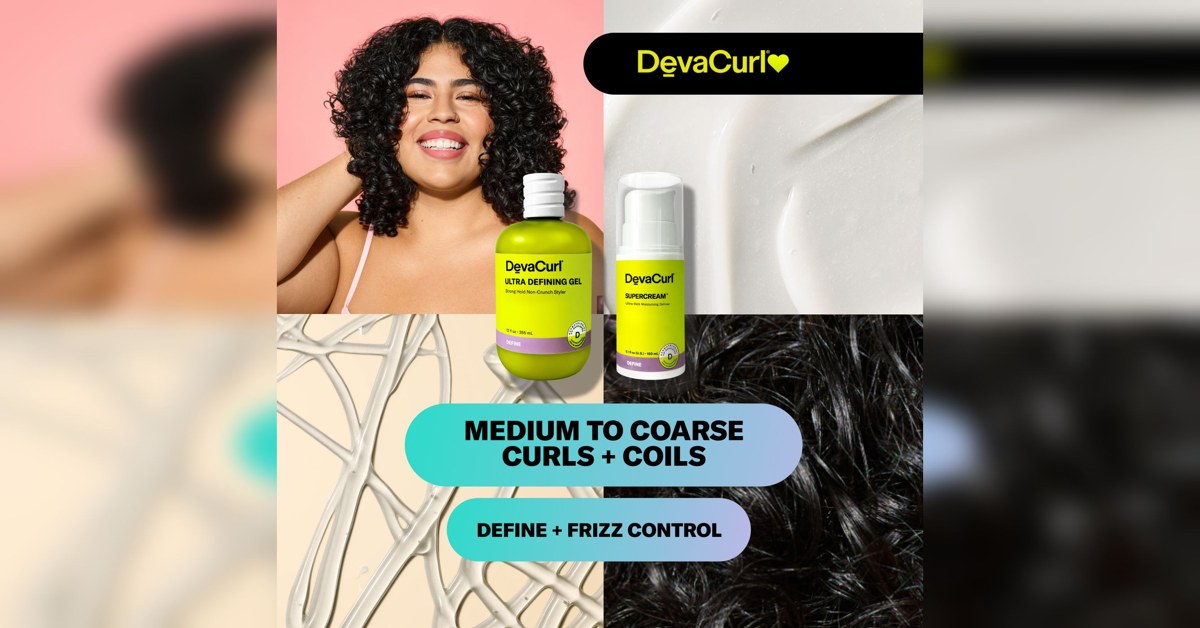
Image 7. Primary record ece0aa56021a8ec0da251555a1cf21e7, associated with the reported Ulta Beauty listing. The source artwork says “MEDIUM TO COARSE CURLS + COILS” and “DEFINE + FRIZZ CONTROL,” while the headline addresses waves.
The body is built around an objection: a reader wants curl styling without an unwanted crunchy feel. The artwork presents Ultra Defining Gel and SuperCream alongside a model, product textures and close-up hair imagery. Its prominent text defines a more specific audience and outcome than the headline.
The difference between “waves” and “medium to coarse curls + coils” is worth flagging, but it is not enough to declare the products unsuitable or the advertisement false. Hair-pattern and texture terminology can overlap in marketing, and the product guidance was not independently reviewed. The supported finding is narrower: the surfaces do not use the same audience description.
This is exactly the kind of issue that can survive a copy-only approval. Each phrase sounds plausible in isolation. Viewed together, the production team needs to decide which shopper the combination addresses and whether the verified product instructions support that choice.
There is another distinction between “combo” and “Find your favorite ... styler.” The headline suggests a combination; the body allows a broader selection of a styler. The pictured pair might be a routine recommendation, but the source does not establish a discounted bundle or a mandatory two-product purchase.
The practical fix for an original creative begins with the product team. Confirm the intended hair types, the role of each item and whether the destination sells the pair or individual products. Then align the headline, on-image audience label and action. Hypothesis: consistent audience terminology may reduce uncertainty about who the creative addresses. The frozen sample contains no comprehension or conversion test of that hypothesis.
To compare other indexed examples using the same worksheet, inspect skincare search results in AdMapix. Apply the US, date and Facebook(FB) filters separately where available; the search link alone does not reproduce every condition of the frozen sample.
ALASTIN: complete API headline
For Ultimate Protection and Glow
Complete API body
✨For Ultimate Protection and Glow✨Meet HydraTint Pro Mineral Sunscreen SPF 36: our lightweight, mineral-filter, broad-spectrum sunscreen does more than just defend. It hydrates and shields against harmful UVA/UVB rays while leaving skin with a soft, radiant glow.
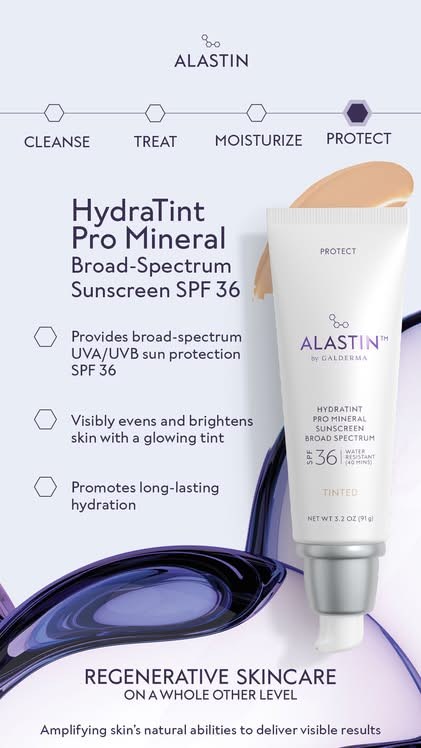
Image 8. Primary record e99aa857d87589069eed9f7b9c00c6cb, associated with the reported ALASTIN Skincare listing. The source artwork repeats sunscreen, tint and hydration claims. Their appearance in the ad is not independent efficacy verification.
The body names the product and organizes its appeal around protection, hydration and appearance. The image uses a similar structure, with separate statements about broad-spectrum protection, a glowing tint and long-lasting hydration. A routine strip places the product at the protection stage.
This is a clear example of copy and image reinforcing the same benefit cluster. The alignment is observable: the headline’s protection and glow themes recur in both the body and the artwork. The image also adds detail, including a skin-evening description and longer-lasting hydration language.
That added detail needs its own place in the claims audit. A team cannot approve only the body’s wording and assume every on-image expansion has the same evidence basis. “Hydrates” and “promotes long-lasting hydration” are related statements, but the latter introduces a duration implication that deserves separate review.
“Ultimate” is promotional emphasis in the archived headline. The supplied material contains no comparative study establishing superiority over other products. Likewise, the visible SPF designation and UVA/UVB wording identify claims made for the product; this article does not independently test them or provide a sunscreen recommendation.
For an original benefit-led ad, build a correspondence map. Put each body claim beside the exact on-image phrase and its supporting documentation. Where the artwork strengthens the language, either supply matching evidence or bring the wording back within the approved scope. Visual consistency becomes more useful when it is accompanied by consistency in the strength of the promise.
Archived Offers: Percentages, Dollar Savings and Missing Conditions
Offer clarity requires more than repeating a number accurately: the reader also needs to understand what the number applies to. The supplemental examples distinguish a sitewide code, a bundle savings amount and a seasonal bundle proposition. Each is useful as a historical writing example. None supplies enough independently verified commercial context to recommend a current purchase, redeem a code or assume that the same terms remain available.
LING, supplemental record c69f65c58e30a2bbfcb9c381df62f62a: complete API headline
20% OFF SITEWIDE SALE! Use code: LABOR
Complete API body
20% Off Sitewide This Labor Day! ❤️💙Whether you're looking for hydration, rejuvenation, or the perfect skincare routine, Ling has you covered. Shop our entire collection and save 20% on every product!Use code LABOR to claim your discount. Don’t miss out on this limited-time offer!
The supplied visual review reports that the headline, body and artwork all contain 20% and LABOR. That is evidence of consistency across the inspected surfaces. It is an archived Labor Day promotion, with an unknown end time, unknown exclusions and unverified current eligibility.
The wording “every product” deserves its own check because it is broader than a generic sale announcement. Before an original campaign uses that phrasing, the commercial owner should confirm that exclusions do not contradict it. A repeated code can be perfectly consistent while the scope of the offer remains unresolved.
Daily Defense Bundle, supplemental record 6a2ed70046085ef3bfc18575e7ad756a: complete API headline
Daily Defense Bundle
Complete API body
This trio of heroes combines TriHex Technology®, hyaluronic acid, and antioxidants to help nourish, hydrate, and defend skin when and where it needs it most.
The supplied image observation reports $151 bundle savings. That figure is absent from the complete headline and body. The text explains the combination through ingredients and benefits, while the artwork introduces a monetary proposition.
A complete audit captures both. It also records the missing reference prices, exact eligible combination and observation-date validity. The number cannot be used to reconstruct a current bundle price or a discount percentage without verified inputs.
Sun-sational bundle, supplemental record d5b80b415f8a725f2130d173f950a2b2: complete API headline
Sun-sational (Tinted) Bundle
Complete API body
These three award-winning superstars have so much to love. Each one is a multi-functional fan favorite, and together they form the basis for your summertime regenerative suncare routine.C-RADICAL Defense Antioxidant Serum™: a novel form of Vitamin C to defend against environmental aggressors while brightening from within.A-LUMINATE Brightening Serum™: targets visible signs of sun damage while minimizing recurrence and getting your glow going on day one.HydraTint Pro Mineral Broad Spectrum Sunscreen SPF 36: hydrates, protects, and provides a skin-evening hint of tint.
The supplied visual observation reports $37 savings. Again, the body is primarily a product-and-benefit explanation, while the image carries the amount. Reference prices, the eligible combination and the end date were not verified.
These examples suggest an offer review organized by missing dependency:
| Archived offer form | What the source establishes | What still needs checking |
|---|---|---|
| Percentage plus code | Advertised percentage and redemption text | Dates, exclusions, eligibility and checkout application |
| Dollar bundle savings | Advertised savings amount | Comparison basis, exact items and applicable region |
| Seasonal bundle | Named combination and seasonal positioning | Availability, current composition and expiry |
| Price in a headline | An advertised price at capture | Current price, currency, variant and destination |
Treat benefits embedded around the offer separately. A correct savings calculation would not substantiate an efficacy statement, an award claim or a promise of an effect beginning on a particular day.
Video Copy Consistency: TULA Repetition and COSRX Demonstration
Sampled video frames can establish that particular text and demonstrations appeared at inspected moments, but they cannot establish everything said or shown throughout a video. TULA provides an example of a percentage repeated across headline, body and reviewed frames. COSRX provides an example where application imagery supports a product demonstration while exclusivity and ingredient-effect claims remain unverified. These are different evidence relationships and should produce different audit conclusions.
TULA, record 4a5e1ef1b54f3a5ed2c60973f38dca40: complete API headline
Bundle & Save 25%
Complete API body
Two iconic formulas. One routine. Save 25% on TULA’s bestselling Iconic Duo: Cult Classic Cleanser + 24-7 Moisture.
The supplemental preparation inspected frames from 0–13 seconds at one-second intervals in the 14.29-second source video. The reviewed frames showed the fixed text “Shop the Iconic Duo” and “25% OFF,” with the pictured combination products changing across the inspected material.
The supported conclusion is specific: the headline and body’s 25% offer agrees with the 25% wording visible in the sampled frames. The body also names the combination, which provides more scope than the percentage alone.
That agreement is useful for a production team. It shows how a stable offer can accompany product presentation without changing the commercial message between surfaces. It does not establish that every SKU qualifies, that checkout applied the reduction, or that the reference price was correct. “Bestselling” is also an advertiser claim rather than a sales finding from this article.
The observation should not become “the entire video and audio are consistent.” No audio transcript was supplied, and the inspection covered sampled moments rather than every frame. A production audit of an owned video could go further by reviewing the final export and its full audio, but that additional work has not been performed for this article.
COSRX, supplemental record 60621c4e983dc3589b7e368f15d1df06: complete API headline
💋 New COSRX Lip Care, Now at ULTA
Complete API body
✨ NEW & ULTA EXCLUSIVE ✨Meet COSRX’s NEW 5 Peptide Lip Fill Tinted Treatment, now available exclusively at ULTA.Skincare science, now in a tint. 👀💎 5 Peptides for plumper, healthier-looking lips💧 Hydrating lip care for soft, comfortable lips✨ A smoother-looking finish with every swipeTint on. Lip care in. 💋#COSRX #Peptide #Collagen #LipTreatment #UltaBeauty
The supplemental preparation inspected frames from 0–45 seconds at three-second intervals in the 47.60-second source video. The recorded observations identify lip application, hand swatches and COSRX packaging.
Those frames supply application and color-presentation evidence. They help connect a named tinted treatment to a visible product and use context. They do not independently verify ULTA exclusivity, the ingredient composition or the stated effects associated with the peptides.
The absence of a particular phrase from the supplied frame observations would not establish that it is absent from the whole video. It might appear between inspected frames, in a different visual area or in audio that was not transcribed. The correct audit entry is “not verified by the inspected evidence,” rather than “the video never says this.”
The comparison with TULA is practical. TULA’s reviewed frames can be checked against a discrete offer figure. COSRX’s application images connect to a broader product-benefit narrative that requires additional substantiation. Repetition and demonstration are both useful creative techniques, but neither supplies all the evidence needed for the other kinds of claims surrounding it.
For your own video brief, separate the requested checks into text agreement, product identity, demonstration scope, commercial terms and audio review. Record the inspected time range beside each observation. That lets another team member understand what was checked without assuming that a contact sheet represents a complete viewing.
Benefit Lists, Duration Claims and Sensitive-Audience Language
Benefit-led copy becomes easier to audit when each benefit is separated from the form of evidence used to present it. A three-column layout can organize a promise, an application scene can illustrate a use case, and family imagery can express an audience. Those visual choices do not themselves verify clinical effects, wear duration or safety. The supplemental examples below show how a complete body introduces obligations that a short headline or appealing image can conceal.
Tone+ pads, supplemental record eb5a90f91b35811d9b6d5dd1e9a466df: complete API headline
Where Skin Longevity Begins
Complete API body
NEW Tone+ Correcting Pads™. Three benefits, one swipe: brighter tone, smoother texture, lasting comfort.
The supplied observation describes an image divided into three columns for tone, texture and comfort. The body compresses the same benefit set into a single sentence. This supports a conclusion about organization: the visual expands the structure that the text summarizes.
The evidence does not establish clinical outcomes or the meaning of “lasting.” The copy has no discount promise. A useful original adaptation would preserve the clarity of a short, parallel benefit list while requiring evidence for each benefit and any implied duration.
Pore Eclipse, supplemental record 3353cdce0afa051b3663149c8639a633: complete API headline
Makeup Locked. Shine Blocked.
Complete API body
16 hours of shine control, blurred pores + makeup on lock. Shop the award-winning Pore Eclipse collection now at @ultabeauty.
The supplied static observation reports that the headline and artwork focus on shine control and makeup setting. The body adds the 16-hour figure and Ulta availability, plus an award claim.
That is a useful division of labor, but each added statement needs an evidence source. A static finished look cannot measure wear duration. The source also does not identify the award or independently verify retailer availability. An audit can describe a scenario-led promise without presenting its duration as a tested result.
Dionis Baby, supplemental record 707d610e00259949000a4046823d4fd2: complete API headline
Gentle enough for your newborn
Complete API body
Our Herd Just Got a Little Bigger. Introducing DIONIS® Baby - our gentlest collection yet! Every nourishing formula is:• Hypoallergenic• Pediatrician Approved• Dermatologist Tested• Safe for Sensitive Skin• Gentle Enough for Newborns• Made with whole goat milk• Made in USA
The supplied visual observation identifies mother-and-baby imagery, goats and “FARM TO FAMILY.” That presentation connects the collection to a family context and a goat-milk origin story.
The body contains several distinct claims: low allergy potential, professional approval, testing, sensitive-skin safety, newborn suitability, ingredient origin and manufacturing location. One document would not necessarily substantiate all of them. The family image is not medical evidence, and a goat photograph does not independently establish formulation or manufacturing details.
For teams writing sensitive-audience copy, the useful lesson is to preserve the exact scope of approved language. “Tested” should not silently become “recommended,” and a statement about a collection should not be extended to an unreviewed product. An original brief should identify the product, the audience and the evidence owner for each sentence before the visual team turns that sentence into a prominent badge.
Complete Body Text Changes the Audit
Reading the complete body reveals the conditions and additional claims that an opening-line review misses. A hook may introduce a routine, while later sentences add a time-to-result promise, free shipping, audience suitability and a return guarantee. Each addition changes the customer’s expectation. The primary Maelove example makes this visible because its headline is broad, but its full body contains several different reasons to buy and several different items to verify.
Maelove, primary record 11e574d67a423573907eaf708d5c3540: complete API headline
Dermatologist-Designed Skincare System
Complete API body
Say goodbye to dull skin! 💫 Introducing a simple, 4-step skincare system that's easy to follow and delivers brighter, bouncier skin in just 30 days:1. Cleanse with Sheer Silk face wash ☀️🌙2. Brighten up with Glow Maker vitamin C serum ☀️3. Repair with Peptide Squad collagen renewal serum 🌙4. Moisturize with Hydro Relief peptide cream ☀️🌙✈️ Free Shipping available!Our routine is safety-tested for sensitive skin, made in the USA, vegan & cruelty-free. Try it risk-free with our 100-day free returns guarantee ❤️.Start your journey to radiant skin today!
No additional visual analysis is claimed for this example. The available body is enough to demonstrate why a complete-copy audit differs from collecting hooks.
The opening promises a result in 30 days. The numbered routine then identifies product roles and morning or evening cues. Later text introduces shipping, sensitive-skin testing, manufacturing, ethical-positioning claims and a 100-day return guarantee. The concluding invitation asks the reader to act on that assembled proposition.
A useful review breaks those elements apart. The routine needs product and instruction checks. The result timeline needs substantiation. “Free Shipping available” needs eligibility details. The return guarantee needs its applicable products, timing rules, return process and exclusions. The archive does not supply those terms, so this article treats them as historical advertiser statements.
The phrase “risk-free” illustrates why summaries need care. A researcher should not reduce the body to “free trial” or “unconditional refund.” Neither phrase is established by the supplied text. Even a complete body can contain incomplete commercial terms.
For an original long-copy ad, organize the body so readers can distinguish the product explanation from the offer conditions. Keep the supporting claim documents and the commercial terms beside the draft during review. That makes editing more reliable than checking the opening sentence first and treating the remaining copy as decorative detail.
Write an Original Ad From the Structure, Not the Claims
The transferable value of these examples is how they arrange information, while the product claims, testimonials and offers must come from your own evidence. A fragrance mood, a reminder question or a stable video offer can inspire a brief without importing another advertiser’s promise. Start by choosing the decision the reader needs to make, then assign the headline, body and visual distinct jobs that support that same decision.
Consider a fictional brand preparing a cleanser-and-moisturizer combination. The team has confirmed the product names and approved usage instructions but has not approved a discount, efficacy timeline or testimonial. The following is an original drafting example, not a source advertisement and not a tested recommendation.
Original headline
Meet your cleanse-and-moisturize pair
Original body
Start with [Cleanser name], then follow with [Moisturizer name]. Explore the pair and see the product details to decide how they fit your routine.
Original visual brief
Show the two exact products with readable labels. Use matching product names in the artwork and body. Keep any usage labels within the approved instructions. Direct the reader to the corresponding product or combination page.
Terms and evidence note
No savings, duration, safety or endorsement claim has been approved for this draft. Add such claims only after the relevant product and commercial checks are complete.
The structure uses the routine clarity visible in the TULA example without carrying over TULA’s archived 25% offer or its bestselling language. It also avoids treating the fact that two products are pictured as proof of a discounted bundle.
If the brand later approves a promotion, update the whole assembly. The headline might carry an approved offer; the body can name the eligible combination; the image can repeat the same offer; and the destination can explain the applicable terms. The specific percentage should come from the brand’s current commercial documentation, not from a competitor reference.
A second original direction could be product-led rather than offer-led. The visual might focus on readable packaging while the body explains one verified product role. That direction draws on the identification clarity of the Lancer image without adopting “flawless skin,” award language or the archived price.
Use the broader ad creative analysis framework when you need to carry this copy audit into visual hierarchy, demonstration and production decisions. The source reference should remain attached to the brief, but the final wording and assets should be original and supported for the product being advertised.
A Practical Workflow From Search Result to Production Brief
A useful research workflow ends with an executable brief and a list of unresolved dependencies. The frozen examples already supply the discovery input; the reader’s job is to preserve provenance, compare surfaces and decide what further evidence is required. This workflow is a recommended process, not a claim that a campaign was launched or that the external products and checkout paths were tested for this article.
First, define the research question. Choose a question narrow enough to change a production decision. “How do bundle ads explain eligible products?” is more actionable than “Find good Facebook ads.” It gives the researcher a reason to compare TULA with the supplemental dollar-savings examples.
Second, preserve the source context. Record the country, exact dates, query, source network, record ID and reported listing. Keep the complete headline and body beside the source image or the bounded video observations. Where the original ad URL is missing, preserve that absence and cite the frozen package.
Third, identify what is actually being advertised. Distinguish the pictured brand from the reported linked retailer or product listing. Check whether the body describes one SKU, a family, a routine or a bundle. This step would separate Philosophy’s Cherry Gleam body from its three-product artwork.
Fourth, mark every promise by location. Label each statement as headline, body, image or inspected video-frame text. Do not collapse these into a single paraphrase before checking for differences. The $151 and $37 savings examples show why on-image amounts need separate capture.
Fifth, write a bounded finding. “The DevaCurl headline addresses waves while the artwork addresses medium-to-coarse curls and coils” is an observation. “Consistent terminology may improve audience recognition” is a hypothesis. Keeping those sentences separate makes the brief easier to evaluate.
Sixth, assign the verification work. Product suitability goes to the appropriate product owner. Discount eligibility goes to the commercial owner. An endorsement needs its source and authorized use. A visual observation should not be assigned the task of proving something it cannot establish.
Seventh, prepare the original execution. Specify the exact product, audience, message, visual, action and destination. Include approved wording and unresolved claims. Give the designer enough information to avoid introducing a stronger promise in a badge or overlay than the body supports.
Finally, preserve the decision. Save what the team chose to test and why, including the unchanged elements. If a later reviewer sees only the final image, they should still be able to find the hypothesis and supporting source.
| Brief component | Example output from this research |
|---|---|
| Question | Does the combination need clearer product identification? |
| Observation | Some examples show a pair while the body uses broader collection language |
| Hypothesis | Naming the exact pair may improve recognition of the advertised purchase |
| Execution | Align product names across body, artwork and destination |
| Evidence dependency | Approved names, usage language and any offer terms |
| Measurement | A separately planned owned test; no result inferred from the archive |
Test Message Clarity Separately From Commercial Performance
A copy audit can identify a testable question, but it cannot supply the result of the test. The first decision is whether the team needs to test comprehension, attention or a business outcome. These questions require different observations. Someone correctly identifying the pictured bundle is evidence about comprehension; it does not automatically establish more purchases. A campaign result also needs its own measurement and operating context before it becomes a reusable lesson.
For a comprehension check, show the assembled creative and ask participants to explain the product, the audience and the offer in their own words. Avoid giving them the intended answer first. If people describe three products when the destination sells one, the mismatch becomes concrete enough to revise.
For an owned advertising experiment, state the variable before production. A DevaCurl-inspired question might compare aligned audience wording with a broader headline while holding the products, offer and visual layout stable. A Philosophy-inspired question might compare product-specific and collection-specific wording, but it would need a destination appropriate to each interpretation.
Where changing the copy also requires changing the destination, acknowledge that the experiment compares complete experiences rather than an isolated headline. This is still a legitimate decision, but its conclusion should not be credited to one sentence alone.
Choose the outcome and decision rule in advance using your own account’s measurement quality and business context. The frozen sample does not justify a universal budget, minimum sample size, uplift expectation or stopping rule. The creative testing framework provides a broader structure for planning that work.
Save inconclusive results as well as clear ones. If the team cannot distinguish the alternatives with the available evidence, keep that result bounded. An attractive source example should not be used to break a tie by claiming that its longevity, repetition or position in a search result proves success.
Check the Native Presentation and Destination Before Release
A complete API body is a research input, while the final native presentation and purchase path are separate objects to inspect. The source material here does not establish how much body text appeared before expansion, which headline was visible in a particular placement or how the destination handled an offer. Those checks belong in the release process for an owned creative, especially when essential product or commercial information is distributed across several surfaces.
Review the assembled advertisement at the sizes and placements you intend to use. Check whether product names remain readable, whether a crop removes a pictured item and whether a prominent offer becomes detached from its qualification. These are production checks to perform, not documented failures of the archived examples.
Then compare the destination with the ad’s actual promise. A single-product body should lead to a page where that product is identifiable. A bundle message should make the eligible items clear. A retailer-availability statement should correspond to the applicable territory and sales channel.
Offers deserve a fresh check close to release. Confirm the reference price, code spelling, eligible items, end conditions and any exclusions. If a video or image carries an offer that is absent from the editable body, include the rendered media in that review. Updating the text alone would leave the old promise inside the asset.
Keep the evidence of this check with the final version. A research record showing what a competitor advertised is different from a release record showing what your own team verified. The distinction helps prevent an archived example from becoming an accidental source of current commercial truth.
Common Mistakes That Make Copy Examples Misleading
The most consequential mistakes change the evidentiary meaning of an example while making the summary sound simpler. They often occur during handoff: a researcher saves a nuanced observation, a brief compresses it, and a final caption presents it as a proven result. A useful quality check follows each statement back to its original surface and asks whether the wording has become broader, more certain or more current along the way.
- Saving only the hook. The LONDONTOWN opening does not capture every application claim, and the Maelove headline does not capture its return language. Preserve the complete body before extracting a writing pattern.
- Ignoring embedded text. Philosophy’s exclusivity badge and the supplemental bundle savings amounts add promises beyond their API bodies. Artwork belongs in the commercial audit.
- Calling packaging proof of efficacy. Lancer’s jar identifies a product and variant. It does not substantiate an award or a skin result.
- Treating reminder language as targeting data. “Still thinking about it?” supports a description of tone. It does not reveal audience configuration.
- Turning sampled frames into a full transcript. TULA’s inspected percentage agreement is bounded. COSRX phrases not documented in sampled frames cannot be declared absent from the video.
- Recommending archived promotions. LABOR, the quoted savings figures and the Lancer price are historical source claims here. Current availability and terms remain unverified.
- Attributing the buyer from a brand or listing. A Coach image associated with an Ulta listing does not independently identify the paying advertiser or page owner.
- Using counts as performance evidence. Records, media fingerprints and sample ordering describe the research material. They do not establish conversions, budget or a winning creative.
A final wording check should include titles, summaries and captions. If the body says an offer is unverified, the summary should not advertise it as available. If the analysis describes an audience mismatch as a question, the image caption should not turn it into an accusation.
When AdMapix Fits This Workflow
AdMapix fits the discovery and evidence-organization stage when a team needs indexed creative examples to compare complete messages. Its role in this article is concrete: the supplied search produced dated records, associated listings, copy and media references that could be turned into an audit. The value is the ability to ask a more precise creative question and preserve the evidence behind it, rather than treating the index as access to a rival’s private results.
Use the workflow when you need to compare product-family messaging, identify where offers appear, find audience terminology questions or assemble references for an original brief. Carry the country, network and date filters into the research notes so later comparisons remain interpretable.
Use separate evidence for product efficacy, authorized testimonials, retailer exclusivity, checkout terms and campaign outcomes. AdMapix research does not replace your product documentation, commercial approval process or owned measurement. No external-tool test, hourly refresh guarantee or complete network-coverage claim is established by this sample.
Build my next copy audit: return to the skincare search linked above, choose a relevant record and complete the audit table before drafting a new execution. Then check the live AdMapix pricing page if the workflow fits your team. Plan terms can change; this evergreen guide does not enumerate prices or credit quotas, and it does not promise a paid-plan trial.
FAQ
The questions below address the practical limits of using source advertisements as writing references. The answers distinguish message analysis from commercial verification and campaign measurement. They are based on the dated examples and recommended workflow in this article, rather than a supplied search-query dataset or a claim that any of these ads has been tested by AdMapix for conversion performance.
What makes a Facebook ad copy example useful?
A useful example preserves the complete headline, body, visual and source context, then explains how those elements work together. It should identify the product, the promise, the action and the missing information. A memorable opening line can inspire writing, but the complete assembly is what reveals whether the customer receives a coherent and adequately supported proposition.
Should the headline repeat the words in the image?
It can repeat essential information, but exact duplication is not required. TULA’s sampled frames repeat the offer percentage, while Philosophy’s body adds scent detail to broader product-family artwork. The practical question is whether the surfaces remain consistent about the product, audience and commercial promise. Complementary wording is useful when it adds clarity without introducing an unsupported expansion.
Does complete API copy show what people saw on Facebook?
It shows the text available in the source record, not necessarily the untruncated native presentation seen by every viewer. Layout, expansion state and placement were not independently inspected here. Use the API text for a complete-copy audit, then review your own assembled creative in the intended presentation before release. Do not describe an unseen Facebook layout as verified.
Can I use the discounts and codes in these examples now?
This article does not establish current redemption. The Labor Day code, TULA percentage, bundle savings amounts and Lancer price are archived advertiser claims. Their current dates, exclusions, reference prices and checkout eligibility were not independently checked. They are useful for studying offer construction, but a current purchasing recommendation would require separate commercial verification.
Do product demonstrations prove the benefits in the body?
A demonstration can establish what is visibly shown, such as application, swatching or packaging. It does not automatically substantiate ingredient effects, safety, retailer exclusivity or long-term outcomes. COSRX illustrates that boundary: the reviewed frames show product use, while several body claims require different evidence. Describe the demonstration precisely and assign the remaining claims their own verification tasks.
Can a reminder-style ad prove that a competitor uses retargeting?
No. Wording such as “Still thinking about it?” suggests a conversational assumption of prior interest, but it does not expose campaign targeting. The Sanitas example supports a reminder-style classification, not an audience-setting conclusion. To evaluate retargeting in your own account, use the configured audiences, delivery context and appropriate measurement rather than borrowing certainty from a competitor’s wording.
How should a small team turn examples into a brief?
Choose a narrow question, preserve the source record and complete the audit table. Write one observation and one separate hypothesis, then identify the claims or terms that need checking. Build an original headline, body and visual around verified product facts. The brief should name the intended decision and measurement plan; it should not promise the source ad’s supposed results.
Key Takeaways
Complete-message research is useful when every observation leads to a bounded finding and a specific production action.
- Audit the full headline and body alongside embedded image text and any inspected video frames.
- Keep product identity, audience language and offer scope consistent across the assembled creative.
- Separate visible evidence of a claim from independent evidence supporting that claim.
- Preserve the exact sample windows and never convert archived prices, codes or savings into current recommendations.
- Use source examples to write original hypotheses, then evaluate them with separately planned owned tests.
Sources
The sources below document the frozen advertising material, its measurement scope and the AdMapix research workflow. They establish what was supplied and observed for this article; they do not establish native page ownership, current checkout eligibility, clinical efficacy or private campaign performance.
- Primary frozen source package — observed 2026-09-13. Public primary sample, requests and checksums. US; skincare query; Facebook(FB) leaf 1006; measurement window 2026-08-15 to 2026-09-13. Contains the 24-record sample and provenance for the eight reproduced static images.
- Supplemental frozen source package — preparation reviewed 2026-09-13. Public supplemental copy and visual evidence. US; skincare query; Facebook(FB) leaf 1006; separate measurement window 2026-08-14 to 2026-09-12. Covers the 28-record supplemental sample, archived offers and bounded TULA and COSRX visual observations. Audio was not transcribed.
- AdMapix search workflow — source observation 2026-09-13. Skincare creative search. A starting point for inspecting indexed examples; the link alone does not encode the full frozen country, network and date configuration, and subsequent results may differ.
- AdMapix methodology — applied to the 2026-09-13 source analysis. Public methodology and evidence boundaries. Relevant to interpreting indexed records, media counts and model-estimated metrics. Product information supplied for this article was reviewed on 2026-08-13; current commercial terms belong on the live pricing page.
The eight numbered images are supplied source advertising images, not generic illustrations or evidence of campaign performance. Supplemental visual descriptions retain their separate provenance and are not substituted for those images.
Turn these observations into your next creative study
Open the creative library and select samples for your market, network and research question.
Related Articles
Block Blast Ad Strategy: Video Hooks and Creative Reuse in a Verified iOS Sample
A verified US iOS sample links 30 advertising records to 12 video fingerprints and 15 playable fingerprints, with eight visual analyses and practical plans for original creative tests.
Subway Surfers Ads: What a Name Search Actually Shows
A dated US audit of 30 Subway Surfers name-search results finds no verified iOS reference matches, with eight source-linked screenshots showing how to separate listing identity, visual observations, and test hypotheses.

Fortnite Ads: Verify the Product Before Reading the Strategy
A US sample for August 12–September 10, 2026 links 30 Fortnite advertising records to eight video files, revealing creative approaches and reuse while separating verified product identity from unknown payer, network, and performance details.